


 English
 русский
 Español
 عربى
عربى
Author: Admin Date: 2025-12-25
Why Global Manufacturers Are Reassessing Their Equipment Choices
A major theme appearing across overseas industry blogs and social discussions involves the need for adaptable motors that reduce operational strain. Many companies are modernizing to keep pace with global supply expectations, and they often revise their machinery configurations as part of these changes.
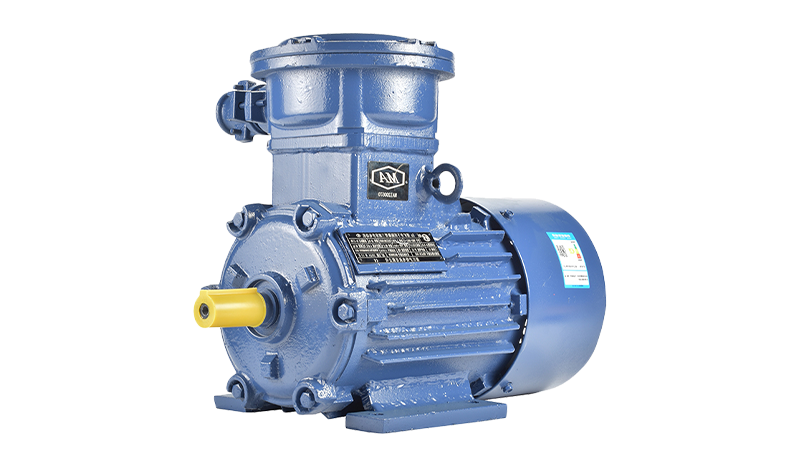
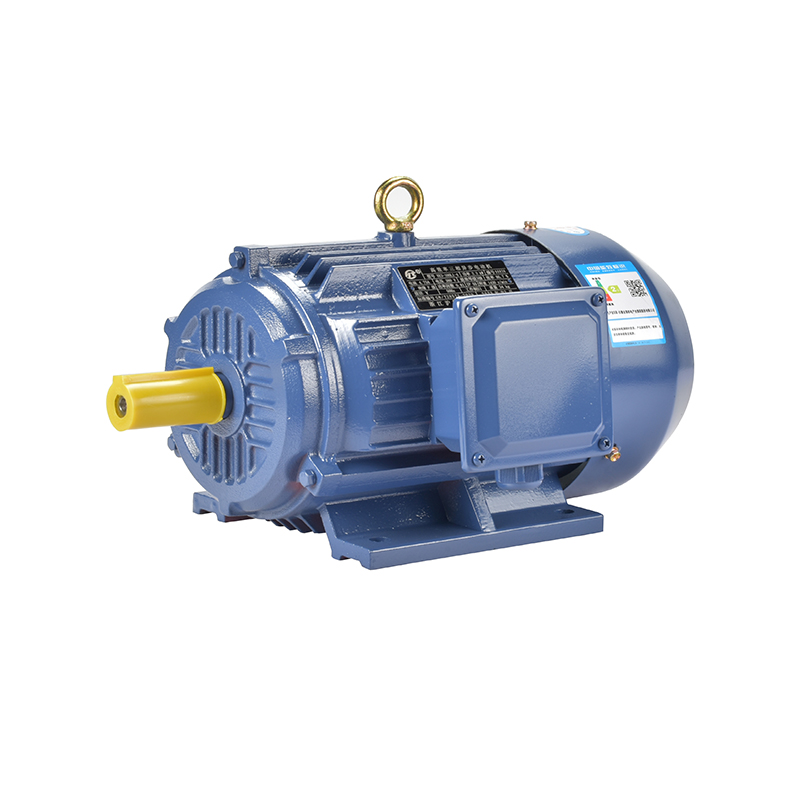
The Second Class Energy Efficient Motor provides a practical fit for businesses transitioning into hybrid production environments—where traditional processes coexist with automated lines. Because it integrates well with both legacy and new-generation equipment, it helps manufacturers progress without encountering unnecessary compatibility issues. This flexibility has made it a popular topic among equipment engineers looking for smooth migration paths toward smart manufacturing.
Growing Focus on Long-Term Operational Stability
In discussions among facility managers, one of the most important concerns is how to maintain stable operations while reducing unpredictable downtime. Motor stability influences everything from machine rhythm to worker productivity, meaning any inconsistency can disrupt entire workflows.
The Second Class Energy Efficient Motor supports operational stability through its dependable performance in fluctuating environments. Manufacturing plants dealing with diverse processes—conveying, packaging, shaping, or cutting—often prefer motors that can remain consistent even when workload intensity varies. Overseas decision-makers have expressed strong interest in motor solutions that help maintain smooth production flow without requiring frequent adjustments.
Sustainability Goals Become Strategic Priorities
One of the biggest global shifts driving renewed attention toward energy-efficient equipment is the increasing importance of environmental responsibility. Businesses in North America, Europe, Southeast Asia, and the Middle East are setting clearer sustainability objectives, and many procurement managers are now prioritizing equipment that helps align with these targets.
A Second Class Energy Efficient Motor fits these priorities by supporting operations with reduced consumption compared to traditional models. While it is not positioned as an extreme-efficiency option, its balanced performance makes it a favored choice for industries aiming to optimize energy usage without compromising equipment reliability.
How Social Media Discussions Are Influencing Industrial Buyers
On platforms like LinkedIn, Reddit engineering forums, and international B2B tech groups, overseas users are increasingly sharing insights about equipment upgrades and performance improvements. Many discussions revolve around choosing motors that provide long-term adaptability, compatibility with automation, and manageable maintenance requirements.
As a result, the Second Class Energy Efficient Motor has appeared in numerous conversations among professionals who evaluate equipment based on real-world usage. This organic online attention is influencing purchasing behaviors, as businesses tend to trust recommendations emerging from industry communities rather than formal advertisements.
Applications Expanding Across Multiple Overseas Sectors
A notable reason the Second Class Energy Efficient Motor is gaining traction is its wide usability. Overseas buyers are actively adopting it across industries including manufacturing, logistics, HVAC, water systems, material handling, agricultural machinery, and automation lines.
Different sectors value different characteristics:
Logistics centers appreciate motors that maintain consistency during repetitive workflows.
Agricultural machinery users look for resilience in outdoor or varying conditions.
HVAC integrators value motors that deliver dependable airflow and help systems operate more effectively.
This broad applicability has made the motor a practical choice for companies that operate across multiple sites or industries and want to standardize part of their equipment strategy.
A Reliable Choice for Evolving Global Market Needs
As manufacturing, infrastructure, and automation sectors worldwide redefine their operational strategies, the importance of dependable, adaptable, and efficient motor solutions will continue to grow. Companies across international markets are looking for equipment that supports smoother upgrades, steady performance, and long-term resource optimization.
The Second Class Energy Efficient Motor remains an appealing solution for these evolving needs, positioned as a reliable option for organizations modernizing their operations while maintaining practical energy-management strategies.

-
Feedback
Related products
PRODUCT
KEEP IN TOUCH
Copyright © Zhejiang Hute Motor Co., Ltd. All Rights Reserved.
Electric Motor in China
 浙ICP备2023016719号-1