


 English
 русский
 Español
 عربى
عربى
Author: Admin Date: 2025-12-19
Why Are Global Industries Accelerating the Shift Toward Energy-Smart Motor Systems?
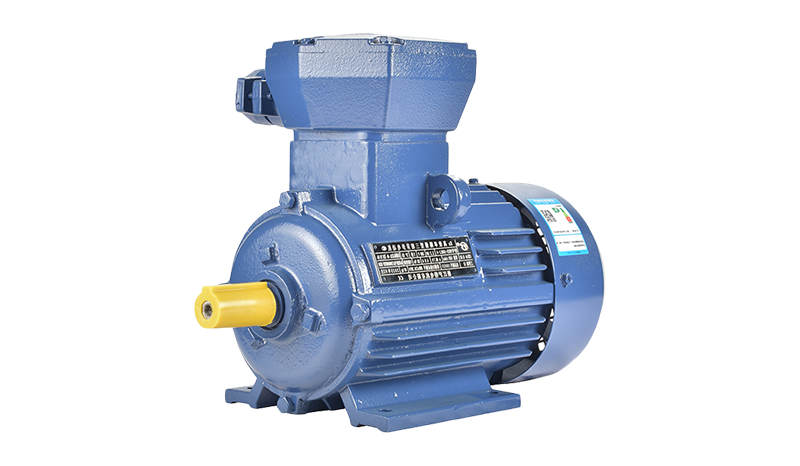
Across the international manufacturing landscape, a noticeable wave of upgrades is unfolding as companies transition toward smarter, more efficient machinery. At the center of this shift is the Second Class Energy Efficient Motor, a solution gaining recognition for its ability to support modern production needs while aligning with global expectations surrounding sustainability and operational responsibility. As industries reassess long-term equipment strategies, attention is rapidly moving toward motors that combine performance with thoughtful energy management.
Are Manufacturers Rethinking Operational Priorities?
Manufacturers today face different pressures compared with past decades. Instead of focusing solely on productivity, companies must now consider energy policies, environmental requirements, and evolving equipment standards. This shift encourages decision-makers to evaluate every component of their system with greater care. Motors designed with energy awareness fit perfectly into this approach, offering smoother operation and more balanced energy flow. For many, this combination meets the growing need for dependable, future-oriented machinery.
How Are Sustainability Movements Reshaping Technical Expectations?
Across global forums, sustainability has become one of the most discussed topics. While consumers highlight eco-friendly products, industrial buyers emphasize equipment that supports long-term resource preservation. Energy-saving motors stand out because they help reduce unnecessary demand on power networks. This aligns with the direction of international environmental initiatives and allows companies to display responsible manufacturing practices without compromising workflow. As sustainability continues to influence global market behavior, motors engineered for energy awareness are naturally gaining momentum.
What Motivates Companies to Pursue More Stable Drive Systems?
One consistent challenge for industrial operators is ensuring uninterrupted performance. Unexpected mechanical failures can disrupt production schedules and increase operational complexity. This is why many facilities examine the internal balance and structural design of the motors they use. Efficient motors often incorporate refined engineering features that support steady rotation and long-term reliability. Their ability to function harmoniously within various industrial setups makes them a valuable choice for companies that prioritize predictable performance.
Why Are Online Engineering Communities Highlighting Energy-Conscious Motors?
Technical groups on platforms like LinkedIn, Reddit engineering boards, and international industrial forums frequently discuss equipment optimization and system upgrades. These communities provide real-world insights based on maintenance experience, long-term usage observations, and compatibility evaluations. As energy-aware motors become more widely adopted, professionals share encouraging results and practical guidance. This transparency influences global purchasing decisions and helps industrial buyers feel more confident about integrating efficient motors into their equipment networks.
Could Energy Awareness Influence Future Automation Design?
Automation continues to expand across global industries, bringing with it new expectations for precision and stability. Automated lines function best when every component provides reliable and consistent output. Motors designed with energy efficiency contribute significantly to this environment. Their smoother operation makes them ideal for systems equipped with sensors, monitoring software, and smart-control devices. As factories explore more advanced digital solutions, energy-efficient motors will likely remain a foundational part of these developments.
Do Efficient Motors Offer Operational Advantages Beyond Energy Saving?
Yes—efficient motors influence much more than energy consumption. Their structural characteristics often support quieter operation, reduced mechanical stress, and improved temperature balance. These qualities contribute to a healthier overall system and help extend the usable life of connected equipment. Overseas buyers increasingly acknowledge that choosing energy-smart motors is not only a sustainability decision but also a strategic move toward improved long-term stability. This broader perspective enhances their appeal in highly competitive industrial markets.
How Are Global Policies Encouraging the Use of Advanced Motor Technology?
Many countries now promote industrial modernization through updated guidelines, performance expectations, and technical recommendations. While policies vary by region, the direction remains consistent: industries are encouraged to adopt equipment that supports responsible power usage. Motors designed with efficiency in mind naturally align with these long-term development goals. As more brands and factories adjust to international standards, motors with optimized performance characteristics will continue gaining relevance in the global supply chain.
Why Will Energy-Smart Motors Continue Advancing Industrial Development?
As global industries progress, the emphasis on balanced performance and responsible energy use will only grow stronger. The Second Class Energy Efficient Motor is positioned to play an essential role in helping companies navigate this shift while maintaining stable, reliable operation. With sustainability, smart manufacturing, and system efficiency becoming central themes worldwide, energy-aware motors remain a forward-focused choice for businesses preparing for the next phase of industrial evolution.

-
Feedback
Related products
PRODUCT
KEEP IN TOUCH
Copyright © Zhejiang Hute Motor Co., Ltd. All Rights Reserved.
Electric Motor in China
 浙ICP备2023016719号-1