


 English
 русский
 Español
 عربى
عربى
Author: Admin Date: 2025-12-12
What Makes Energy-Saving Motors the New Priority for Global Manufacturers? A Closer Look at Industry Shifts!
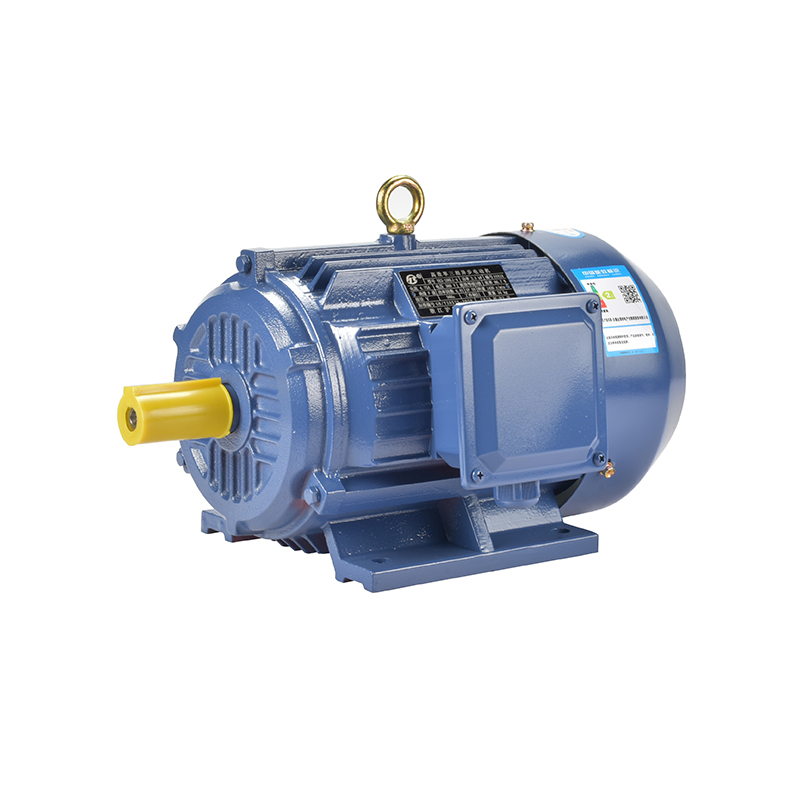
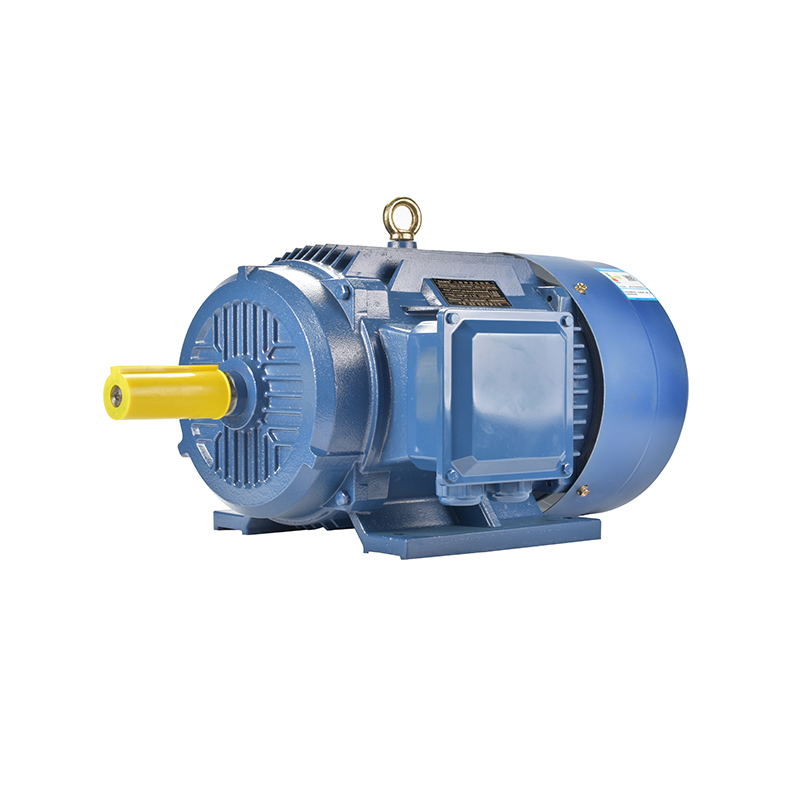
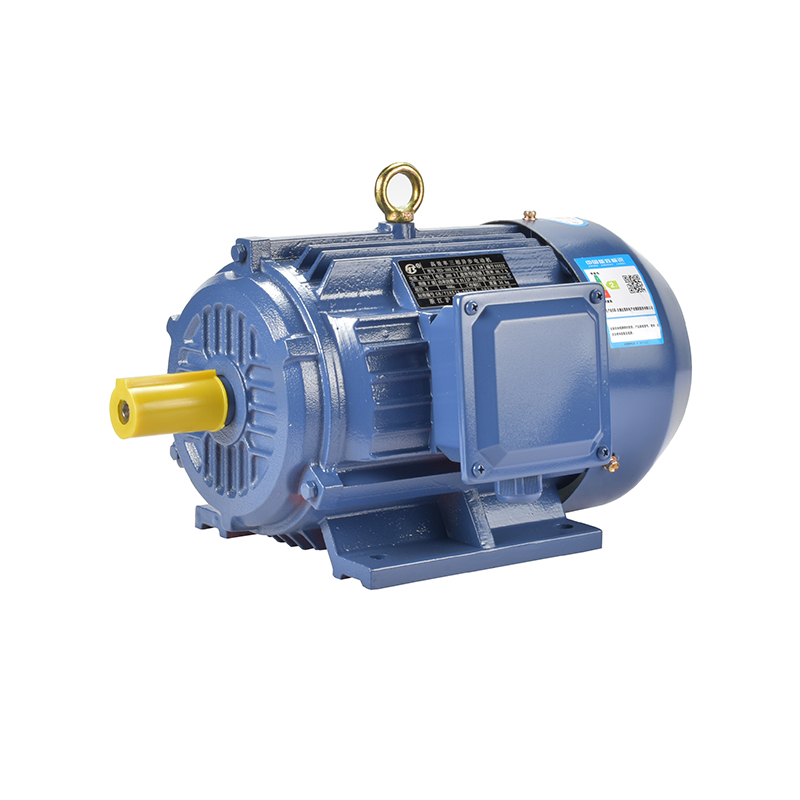
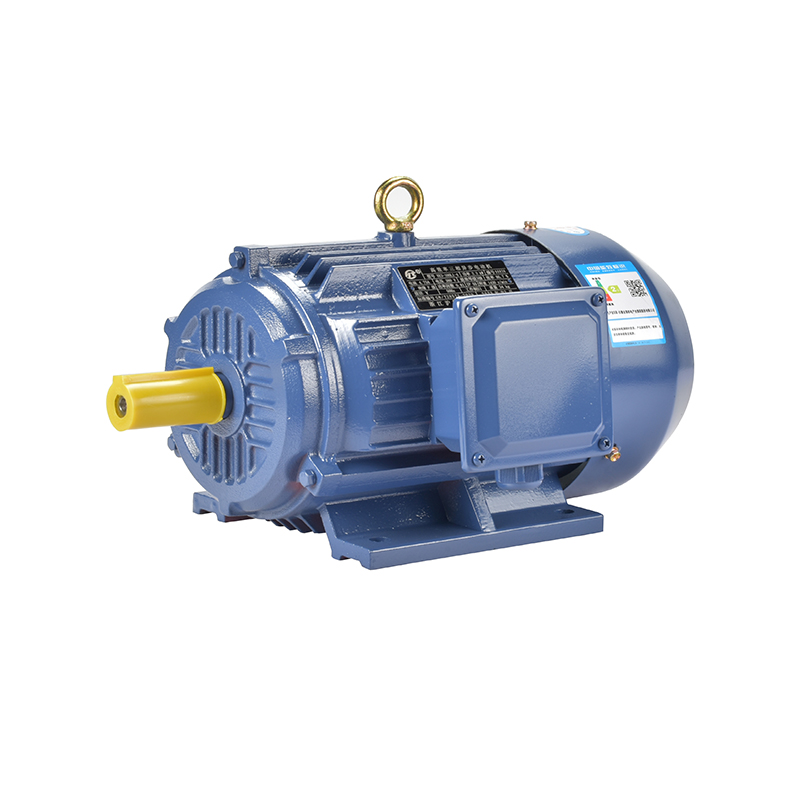
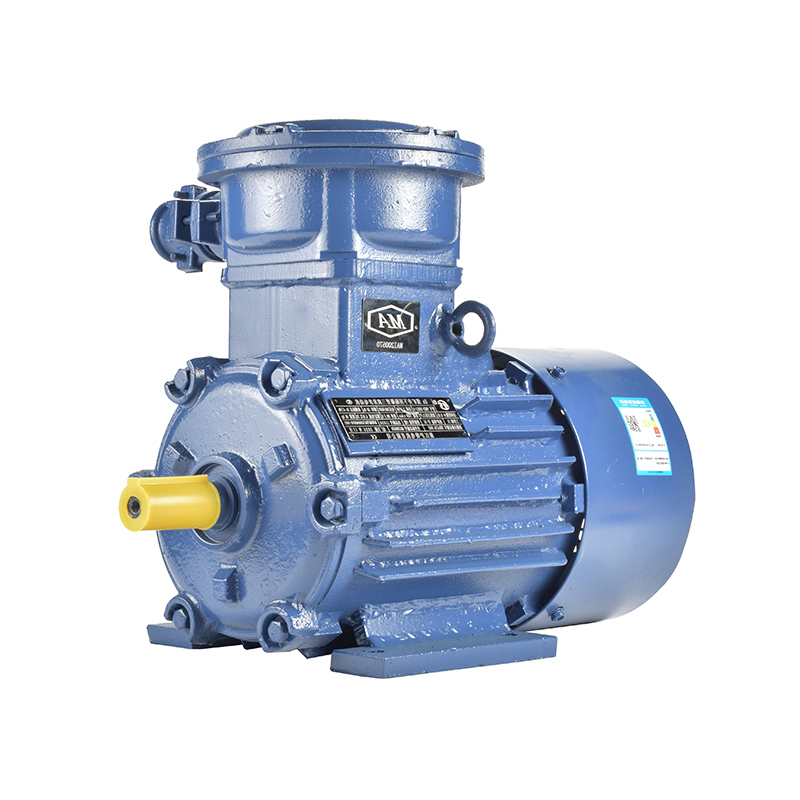
Manufacturing sectors around the world are undergoing a significant transformation as companies search for equipment that aligns with modern energy expectations. This change has brought renewed attention to the Second Class Energy Efficient Motor, a solution becoming increasingly visible across overseas markets. With industries seeking better balance between performance and resource consumption, energy-saving motors are emerging as a practical answer to global discussions surrounding sustainability, long-term reliability, and smarter industrial operation.

Why Are Companies Choosing Smarter Equipment Instead of Traditional Setups?
In the past, many factories focused mainly on achieving output goals. Today, a growing number of decision-makers are evaluating how equipment influences electrical usage, operational stress, and long-term stability. Smarter machinery is becoming the preferred option because it helps reduce unnecessary load while maintaining dependable performance. Motors designed with energy awareness support this shift by minimizing inefficiencies within mechanical systems. As a result, businesses gain the advantage of smoother daily operation and reduced strain on supporting equipment.
How Does Global Sustainability Awareness Influence Motor Selection?
Environmental consciousness has expanded beyond consumer habits and entered heavy industries. Businesses are now expected to demonstrate responsibility not only in their products but also in how they manufacture them. This shift has made energy-efficient motors especially relevant. Their ability to operate with reduced consumption aligns directly with environmental commitments promoted across international markets. For manufacturers, adopting efficient motors represents a practical step toward meeting sustainability goals without compromising industrial productivity.
What Role Does Long-Term Reliability Play in Purchasing Decisions?
Production equipment is expected to perform consistently, especially in facilities that run for extended hours. A motor that operates smoothly contributes significantly to overall system health. Efficient motors are often built with more refined design principles, which help them maintain operational stability even under continuous use. As buyers evaluate long-term performance, they increasingly recognize the value of motors that support predictable operation. This stability helps reduce unexpected downtime and contributes to safer, more efficient workflows.
Why Are Global Engineering Communities Promoting Energy-Aware Technologies?
Online engineering communities have grown in influence, becoming a space where professionals share insights, maintenance tips, and operational comparisons. As energy-conscious motors gain popularity, many experts highlight their advantages in real-world scenarios. These discussions guide buyers toward informed decisions and give them confidence in choosing motors that support progressive industrial goals. The visibility of professional feedback also encourages manufacturers to continue improving their designs to match international expectations.
How Does Energy Efficiency Support Financial Stability for Businesses?
Although many companies initially focus on the environmental benefits of efficient motors, the financial perspective is equally important. Motors that waste less energy help reduce operational burden on electrical systems, which can contribute to more stable long-term cost planning. This stability resonates with overseas buyers managing increasingly complex industrial networks. Choosing equipment with energy-aware engineering becomes a strategic investment that supports both environmental goals and predictable budgeting.
Can Efficient Motors Strengthen the Development of Smart Industrial Environments?
As factories evolve toward digitally assisted production lines, every component must be stable, predictable, and adaptable. Efficient motors fulfill these needs by delivering consistent performance suitable for monitoring platforms and automated systems. Their balanced operation makes them compatible with new digital tools used to track temperature, load, and running conditions. For businesses focusing on Industry 4.0 development, integrating efficient motors represents a practical foundation for broader intelligent upgrades.
How Do Global Market Trends Shape the Future of Energy-Conscious Equipment?
International markets increasingly highlight efficiency, durability, and sustainable performance as key buying factors. These trends reflect growing global alignment toward responsible manufacturing. Motors engineered with energy awareness support these developments by offering a reliable, forward-focused solution for facilities upgrading their equipment. As discussions around environmental responsibility and efficient resource usage continue to rise, motors designed for energy-conscious performance will remain a central topic of industrial innovation.
Why This Shift Will Continue Growing Across Global Industries
With industries worldwide placing greater emphasis on responsible production and long-term reliability, the Second Class Energy Efficient Motor is becoming an essential part of future-ready manufacturing. As companies embrace smarter systems, efficient energy usage, and sustainability-oriented equipment, motors designed for balanced performance will continue to play a meaningful role in the evolution of global industrial operations.

-
Feedback
Related products
PRODUCT
KEEP IN TOUCH
Copyright © Zhejiang Hute Motor Co., Ltd. All Rights Reserved.
Electric Motor in China
 浙ICP备2023016719号-1