


 English
 русский
 Español
 عربى
عربى
Author: Admin Date: 2025-12-05
Why Are Global Industries Rapidly Turning Toward Second-Class Energy Efficient Motors?
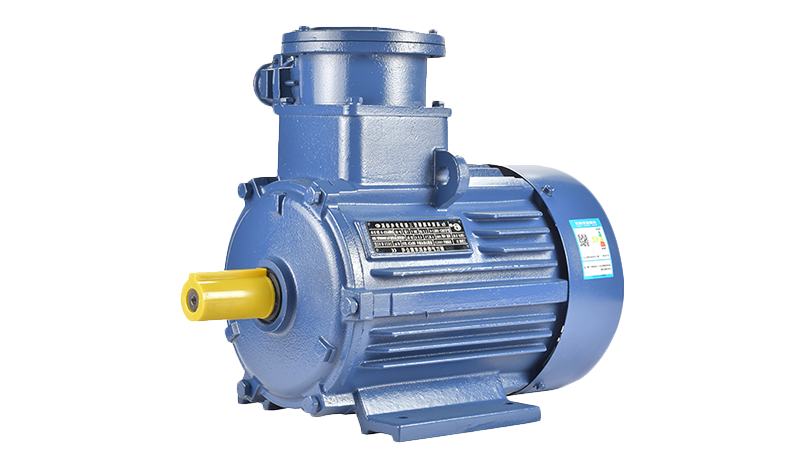
Across global markets, companies are reassessing how they consume energy, optimize machinery, and meet emerging sustainability expectations. This shift has brought technologies such as the Second Class Energy Efficient Motor into the spotlight. On social media, particularly on engineering and industrial innovation channels, discussions increasingly focus on the long-term advantages of adopting motors that balance performance with energy-conscious operation. As industries modernize, decision-makers are searching for equipment that supports greener production, lowers operational strain, and contributes to smarter, future-ready facilities.
Are Businesses Rethinking How Energy Efficiency Impacts Their Daily Operations?
Today’s factories and processing facilities operate under a renewed awareness of energy usage. Instead of focusing solely on power output, companies now evaluate how motors influence long-term operational costs, system stability, and maintenance patterns. Energy-efficient motors offer a practical solution by reducing unnecessary power consumption without compromising reliability. This shift in mindset has become even more significant as more regions introduce initiatives encouraging businesses to modernize equipment and adopt energy-conscious solutions. As a result, motors designed with improved efficiency have become a core consideration for many industries looking to upgrade outdated machinery.
Why Is Reliability Becoming a Central Priority for Industrial Buyers?
Modern production lines rely on consistent and predictable performance. Any unexpected motor failure can disrupt operations, causing delays that affect both productivity and customer commitments. For this reason, reliability has become one of the top concerns among industrial engineers. Motors optimized for energy efficiency often incorporate upgraded materials, enhanced winding techniques, and smooth-operating structures that reduce internal strain. This attention to detail supports stable day-to-day functioning, making them a preferred choice for industries seeking dependable equipment capable of operating across diverse environments.
How Are Social Media Platforms Influencing Industrial Purchasing Decisions?
Surprisingly, professional social media platforms have become influential spaces for industrial buyers. Videos reviewing motor performance, technical discussions hosted by engineering influencers, and case studies shared by plant managers all shape buying patterns. These online conversations raise awareness about the advantages of efficient motors and highlight industries that have successfully integrated them into large-scale operations. The visibility of such content builds trust, encourages technology adoption, and helps potential buyers compare different motor types before finalizing procurement decisions.
Is Sustainability Becoming a New Benchmark for Industrial Competitiveness?
Sustainability no longer applies only to consumer goods—it has become a global benchmark for industrial competitiveness. Companies that demonstrate a commitment to green production are better positioned to attract international partners, meet emerging regulatory expectations, and build a modern brand reputation. Motors designed with energy efficiency in mind support these broader environmental goals by reducing wasted electrical input and lowering a facility’s operational stress. For many businesses, integrating efficient motors is not only a technical upgrade but also a step toward aligning their operations with long-term strategic values.
What Makes Energy-Efficient Motors Appealing to International Markets?
International buyers value flexibility, adaptability, and performance longevity. Energy-efficient motors offer advantages across multiple application scenarios, from manufacturing to processing and mechanical automation. Their ability to maintain steady performance while limiting unnecessary power draw makes them attractive in regions facing rising energy prices or increased sustainability expectations. Additionally, the global shift toward smart manufacturing has brought new attention to equipment that can integrate seamlessly with monitoring systems, data platforms, and automated production lines.
How Do These Motors Support the Future of Smart Industrial Infrastructure?
With the rise of intelligent manufacturing environments, motors must be capable of integrating with real-time monitoring frameworks. Many efficient motors are designed to operate consistently under data-tracked conditions, enabling engineers to observe performance patterns and schedule maintenance with better accuracy. This compatibility strengthens machine longevity and supports smoother system coordination. As digital manufacturing continues expanding, motors optimized for efficiency will become integral components that help facilities operate with greater insight and control.
Why This Technology Is Becoming a Preferred Choice Worldwide
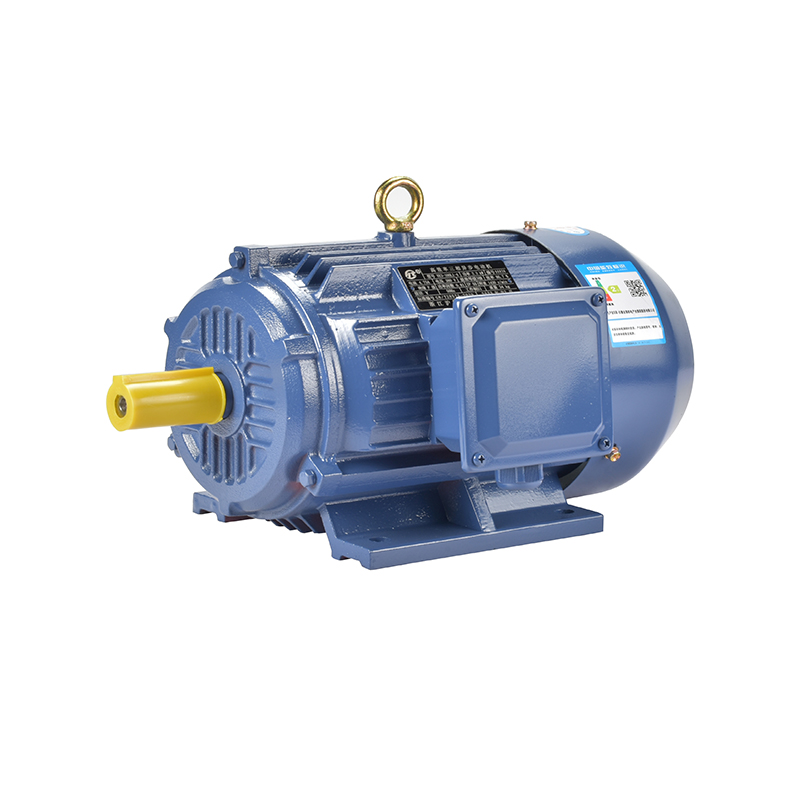
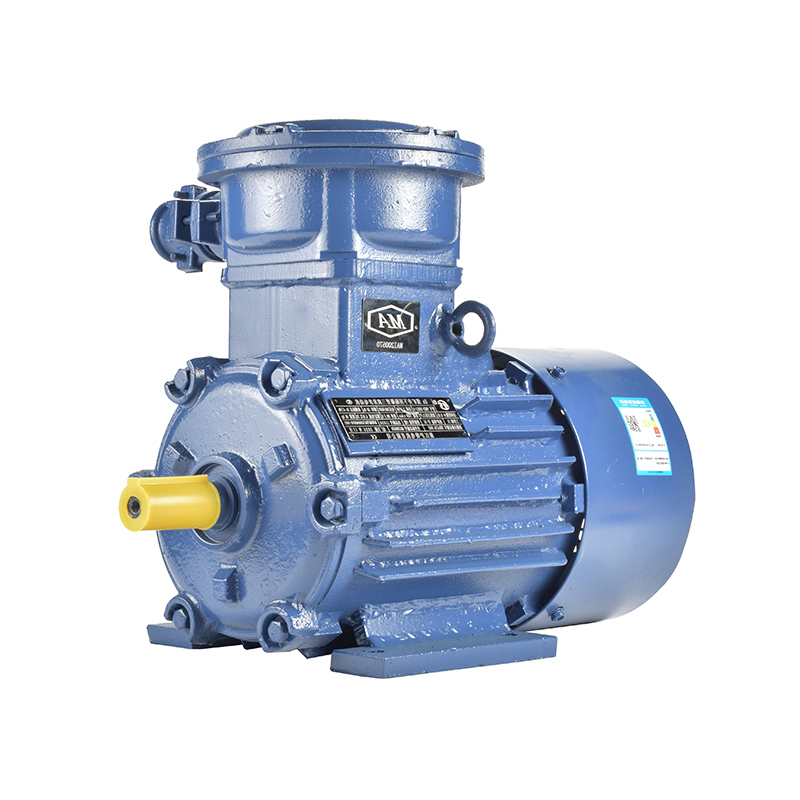
In an era where industries aim to modernize responsibly, the Second Class Energy Efficient Motor has become an attractive solution for companies seeking reliable, sustainable, and forward-thinking equipment. As global awareness of energy usage increases and businesses embrace smarter operational strategies, these motors will continue playing a significant role in shaping efficient, future-ready production environments.

-
Feedback
Related products
PRODUCT
KEEP IN TOUCH
Copyright © Zhejiang Hute Motor Co., Ltd. All Rights Reserved.
Electric Motor in China
 浙ICP备2023016719号-1