


 English
 русский
 Español
 عربى
عربى
Author: Admin Date: 2026-01-02
Is the Global Drive Toward Smart Manufacturing Creating New Opportunities for Second Class Energy Efficient Motor Solutions?
As regions worldwide accelerate their shift toward smarter, leaner, and more automated production ecosystems, the attention on sustainable power technologies has intensified dramatically. Across overseas markets, manufacturers, integrators, and facility operators are actively searching for reliable, adaptable, and energy-focused motor options that can support their future expansion plans. This shift has naturally brought the Second Class Energy Efficient Motor into conversations across industrial forums, global B2B communities, and trending social media discussions among engineers and procurement teams.
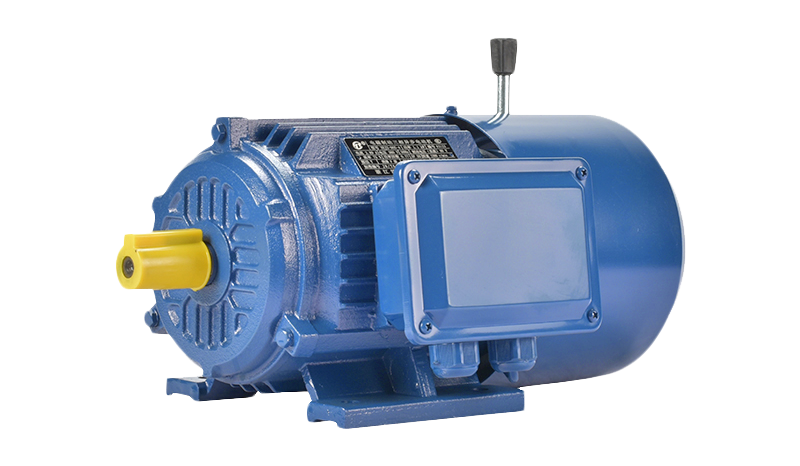
Rising Demand for Intelligent Power Systems in Manufacturing
With the rapid adoption of digitalized machinery and industrial IoT frameworks, production managers are prioritizing motor systems capable of providing stable performance without unnecessary consumption. Overseas users are particularly interested in power technologies that are compatible with interconnected factory environments and support automated decision-making.
The Second Class Energy Efficient Motor fits into this trend by offering a balance between practicality and sustainability. Its capabilities align with the growing demand for motors that can function consistently in automated settings while supporting manufacturers’ long-term energy goals. More importantly, it can be used in facilities undergoing staged upgrades, making it appealing to companies expanding gradually rather than overhauling systems all at once.
Why Are Overseas Industries Shifting Toward More Balanced Motor Technologies? The Rising Appeal of the Second Class Energy Efficient Motor
Across global industrial markets, conversations surrounding practical energy solutions have intensified, especially as companies face growing pressure to optimize equipment performance without creating unnecessary financial burdens. This shift has brought renewed attention to the Second Class Energy Efficient Motor, which is emerging as a compelling option for businesses looking to modernize responsibly. Overseas buyers, especially in manufacturing, logistics, HVAC integration, and infrastructure upgrades, are examining this motor class more closely as part of their medium-term strategy to enhance operational efficiency.
Manufacturers Searching for Performance Without Overcomplexity
In many international markets, manufacturers are navigating a transition phase where technological upgrades are necessary, but budgets and risk management remain important considerations. This has created a strong demand for motors that offer stable, dependable performance without requiring complicated systems or specialized support structures.
The Second Class Energy Efficient Motor aligns with these expectations by offering an approachable, user-friendly level of efficiency—one that does not demand full-scale restructuring of current workflows. Production teams in overseas factories appreciate equipment that supports smooth adoption as facilities gradually digitize and integrate smarter machines into their lines.
Growing Preference for Motors That Adapt to Multidisciplinary Environments
Industries today operate under increasingly diverse conditions. A single facility might include packaging machines, conveyors, mixers, compressors, and automated stations, each with its own operating rhythm. Overseas buyers therefore look for motors capable of functioning in multidisciplinary environments without compromising performance.
The Second Class Energy Efficient Motor stands out as a solution that can integrate into multiple types of equipment, allowing companies to streamline procurement and maintenance across branches or production units. This adaptability has made it a recurring topic in international B2B forums where engineers exchange insights about cost-efficient upgrades.
Balancing Sustainability With Practical Implementation
While global sustainability goals continue to influence purchasing behavior, many overseas companies cannot always invest immediately in top-tier energy systems that require specialized setup, monitoring, or reconfiguration. Instead, they often choose solutions that offer visible improvements yet remain practical for existing plant layouts.
The Second Class Energy Efficient Motor fits this trend by offering a meaningful step forward in energy-saving performance without overwhelming facilities with complex installation demands. For companies aiming to adopt sustainable strategies gradually, it represents a well-paced improvement aligned with real-world implementation needs.
Why the Global Shift Toward Smart Infrastructure Supports Moderate-Efficiency Equipment
Infrastructure projects worldwide—spanning transportation systems, commercial buildings, warehousing, and environmental management—are incorporating smarter control technologies. These environments require motors that are responsive, steady, and compatible with automated oversight but not excessively specialized.
Overseas project developers and integrators increasingly favor motors that work well within automated frameworks while maintaining reasonable cost and maintenance profiles. The Second Class Energy Efficient Motor offers this balance, making it suitable for ventilators, pumps, processing units, and various moving systems in smart infrastructure projects. Its presence in professional discussions highlights how mid-range energy solutions often provide the flexibility large-scale projects demand.
Evolving Social Media Trends Highlight User-Focused Experiences
LinkedIn engineering communities, YouTube industrial reviewers, and Reddit automation forums have all shown an uptick in discussions around equipment that supports both reliability and operational simplicity. Rather than focusing solely on extreme performance metrics, many overseas users now prioritize:
Predictable operation,
Manageable maintenance workflows,
Smooth integration into mixed equipment settings.
These user expectations have amplified interest in the Second Class Energy Efficient Motor, as real-world professionals report positive experiences with motors that support daily productivity without unnecessary complications. Social media discussions have increasingly become a trusted reference for procurement teams, often influencing decision-making more than traditional promotional materials.
Cost-Sensitive Markets Prioritizing Value Over Excess Upgrades
Not every overseas market can pursue premium-level energy optimization immediately, especially in regions where industrial modernization is ongoing but budgets remain carefully managed. In these situations, businesses typically seek solutions that offer measurable advantages while maintaining reasonable investment levels.
The Second Class Energy Efficient Motor aligns well with these market dynamics. Its balance of performance and efficiency makes it attractive to companies upgrading older equipment or expanding production capacity without committing to full-scale transformation. In this sense, it functions as a strategic bridge between legacy systems and future smart manufacturing goals.
Wider Applications Across Emerging Industries
Beyond traditional manufacturing and industrial environments, emerging sectors are increasingly adopting motors that embody a blend of efficiency and operational reliability. These sectors include renewable equipment manufacturing, agricultural processing systems, water treatment facilities, and mid-level automation lines.
Each of these industries values motors capable of continuous operation without imposing unnecessary energy costs, making the Second Class Energy Efficient Motor a versatile and relevant choice. Its applicability across varying environments reinforces why it is being spotlighted in overseas procurement discussions.
A Practical Solution for Global Businesses Pursuing Steady Modernization
As companies around the world continue to refine their operational strategies, motors that deliver a practical mix of efficiency, dependability, and adaptability will remain highly sought after. Businesses increasingly prefer equipment that helps them evolve steadily rather than requiring abrupt, large-scale transitions.
For this reason, the Second Class Energy Efficient Motor continues to emerge as a favored choice among overseas buyers who want realistic, cost-conscious improvements that contribute to stable and sustainable growth.

-
Feedback
Related products
PRODUCT
KEEP IN TOUCH
Copyright © Zhejiang Hute Motor Co., Ltd. All Rights Reserved.
Electric Motor in China
 浙ICP备2023016719号-1