


 English
 русский
 Español
 عربى
عربى
Author: Admin Date: 2026-06-26
Why Are Industrial Buyers Reconsidering Motor Efficiency During System Upgrades?
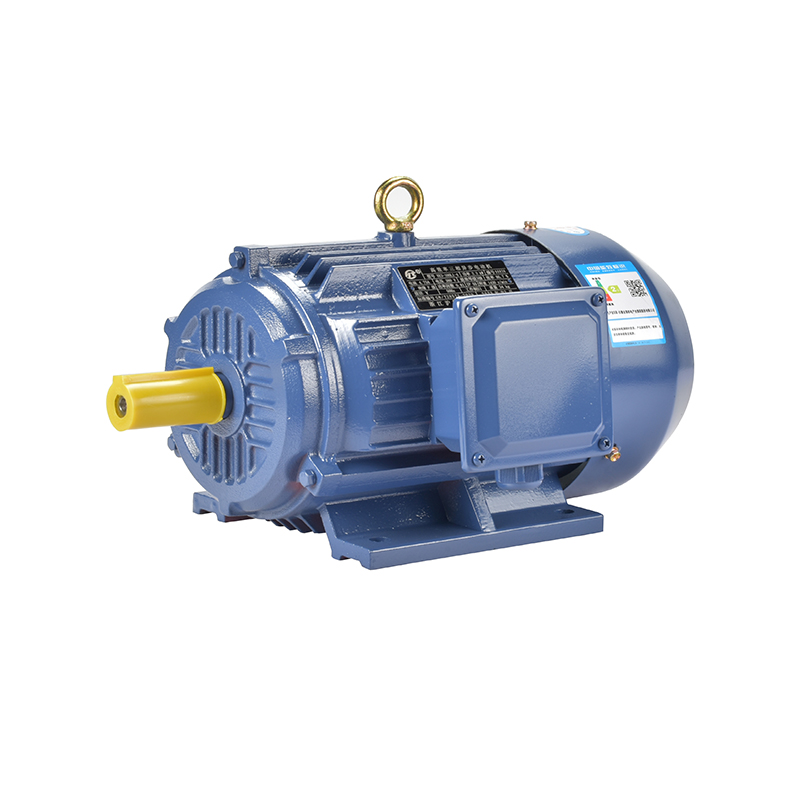
Across global manufacturing sectors, system upgrades are no longer limited to production expansion. A growing number of procurement teams are focusing on energy structure optimization, equipment compatibility, and long-term maintenance cost reduction. In this shift, electric motors have become a key evaluation point, especially when factories replace aging equipment or upgrade automation lines. Many engineers now compare different efficiency classes before making purchasing decisions, including the Second Class Energy Efficient Motor, which is often selected for balanced cost-performance requirements in retrofit projects.
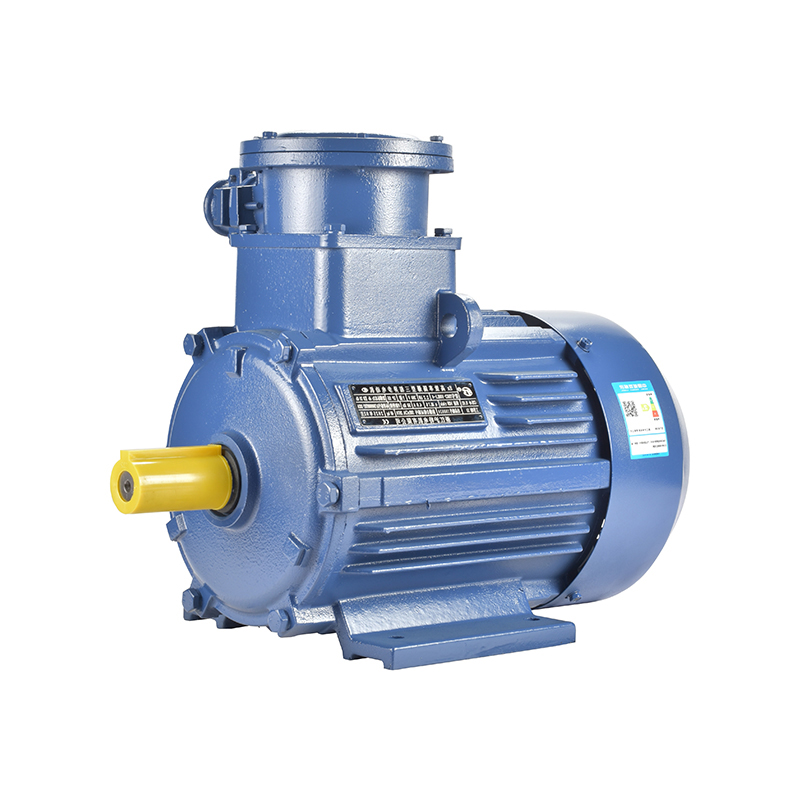
Aging Industrial Infrastructure Is Driving Replacement Demand
A significant portion of global industrial equipment is operating beyond its optimal service life. In industries such as water treatment, HVAC, mining, and material processing, older motors tend to consume more energy and require frequent maintenance.
Buyers are increasingly searching for replacement solutions that can:
- Fit existing mechanical structures without redesign
- Reduce unexpected downtime
- Improve energy performance without major system overhaul
This replacement-driven demand is creating strong interest in motors that can be installed quickly while still delivering measurable efficiency improvements.
Energy Consumption Transparency Is Becoming a Procurement Standard
Industrial buyers today are more informed than ever. With the rise of digital monitoring systems and energy audits, companies can clearly track how much electricity each production unit consumes. This transparency is pushing procurement teams to question whether older motor systems are still cost-effective.
Instead of focusing only on nominal power ratings, engineers now evaluate:
- Real operating efficiency under partial load
- Power factor stability
- Energy loss during long operational cycles
These factors are becoming essential in procurement specifications, especially for facilities aiming to meet internal sustainability targets or external compliance requirements.
Compatibility Challenges in Mixed Equipment Environments
Many factories operate hybrid systems that include both old and new machinery. This creates compatibility challenges when upgrading motors. Engineers must ensure that new motors can operate seamlessly with existing control panels, transmission systems, and mechanical loads.
Common technical concerns include:
- Voltage mismatch with legacy systems
- Mechanical fitment constraints
- Stability under fluctuating load conditions
- Integration with basic or advanced control systems
Because of these challenges, buyers often prefer gradual upgrades rather than full system replacement, making flexible motor solutions more attractive.
Increasing Demand for Variable Speed Operation
Modern industrial processes rarely operate at fixed speed. Production lines adjust output based on demand, energy pricing, and workflow scheduling. This has significantly increased the importance of variable speed capability in motor selection.
In practice, engineers are looking for motors that can:
- Maintain torque stability at low speeds
- Operate efficiently under frequent speed changes
- Reduce vibration during dynamic load shifts
This is where Frequency Conversion Motor solutions are increasingly adopted, as they support inverter-driven operation and help optimize energy usage across variable production cycles.
Maintenance Cost Reduction Becomes a Key Decision Factor
Beyond energy savings, maintenance cost is now a central concern in procurement planning. Unexpected downtime can have significant financial impact, especially in continuous production environments.
Buyers are evaluating:
- Bearing lifespan under continuous load
- Cooling efficiency in enclosed installations
- Ease of servicing and part replacement
- Long-term reliability under inverter operation
Manufacturers are responding by improving structural design and material selection to extend service intervals and reduce operational disruption.
OEM Collaboration and Application-Specific Design Trends
Another noticeable trend is the shift toward application-specific motor customization. Equipment manufacturers and system integrators increasingly require motors tailored to their exact operating conditions.
Typical customization requirements include:
- Shaft dimension adjustment for machinery compatibility
- Protection level upgrades for dusty or humid environments
- Performance tuning for specific load curves
- Special winding designs for inverter compatibility
This OEM-driven approach allows better system integration and improves overall operational efficiency.
Motor Selection Is Now a System-Level Engineering Decision
Industrial motor procurement is no longer a simple replacement activity. It has become a strategic decision involving energy efficiency, system compatibility, and long-term operational planning. Buyers are carefully evaluating performance across multiple operating conditions before finalizing selection.
As global industries continue to modernize, demand for efficient and adaptable motor solutions will keep growing, especially in applications requiring stable performance and flexible control through Second Class Energy Efficient Motor technology.

-
Feedback
Related products
PRODUCT
KEEP IN TOUCH
Copyright © Zhejiang Hute Motor Co., Ltd. All Rights Reserved.
Electric Motor in China
 浙ICP备2023016719号-1