


 English
 русский
 Español
 عربى
عربى
Author: Admin Date: 2026-07-03
Why Are Buyers Switching to Advanced Motor Designs Like Aluminum Housing Solutions for Industrial Efficiency?
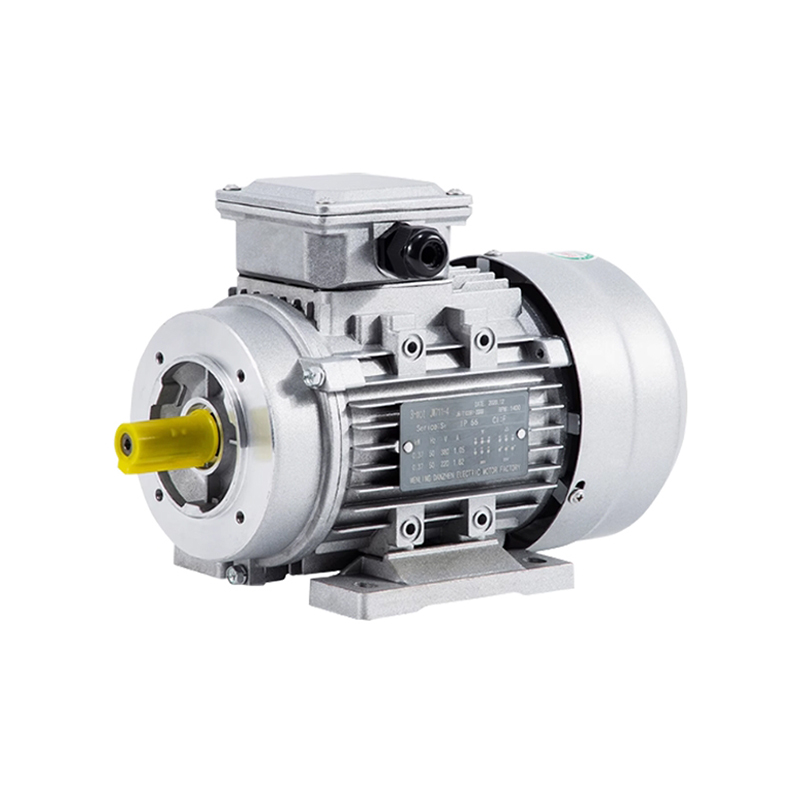
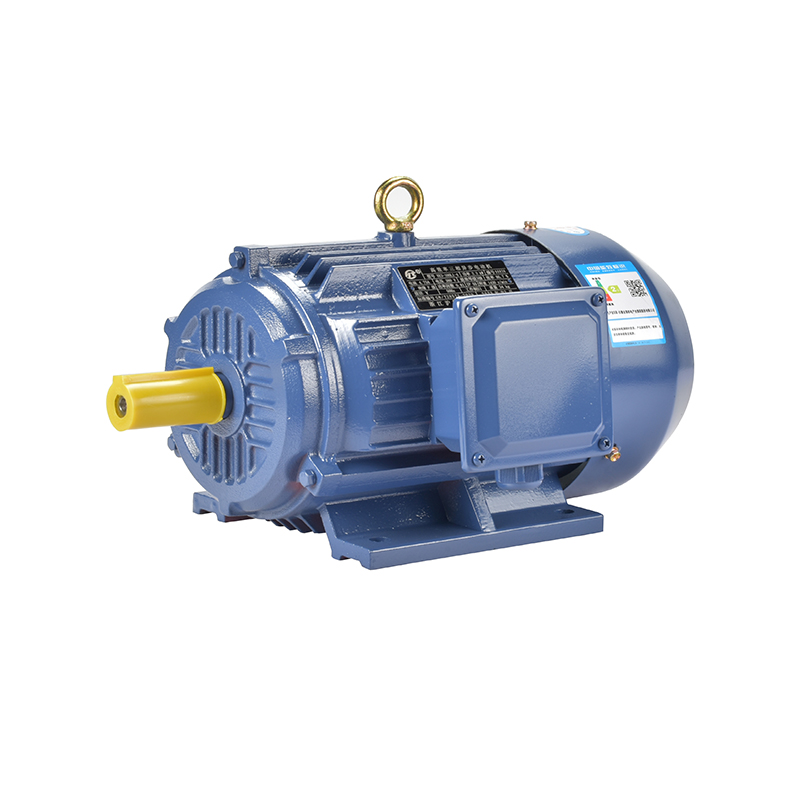
In today’s industrial procurement landscape, buyers are increasingly comparing thermal performance, energy consumption, and lifecycle stability before selecting an Aluminum Shell Motor for demanding applications such as pumps, compressors, and conveyor systems. Across Europe and North America, search trends and engineering discussions are shifting toward motors that combine lightweight construction with higher efficiency classes and improved compatibility with automation systems. As manufacturers, we are seeing more inquiries focused on reducing downtime, improving heat dissipation, and ensuring stable operation under variable load conditions.
Rising Demand for Lightweight and Corrosion-Resistant Motor Structures
One of the most discussed topics among equipment engineers is material selection. Aluminum housings are being preferred over traditional cast iron in many scenarios due to better corrosion resistance and reduced overall weight. This directly impacts installation efficiency, especially in ceiling-mounted or space-constrained systems. Buyers are also evaluating how aluminum structures influence vibration behavior and noise levels in continuous operation environments.
Energy Efficiency Regulations Driving Procurement Decisions
Global energy standards such as IE3 and IE4 efficiency requirements are reshaping procurement strategies. Industrial buyers are no longer only comparing price points—they are evaluating long-term energy consumption. The Aluminum Shell Motor is often considered in projects where energy savings, heat control, and stable output under load variation are key purchasing criteria. This trend is especially visible in HVAC systems and water treatment facilities.
Thermal Management in Continuous Industrial Operation
Heat dissipation has become a critical concern in 24/7 production environments. Aluminum housing improves thermal conductivity, allowing motors to maintain stable operating temperatures during long duty cycles. Engineers are increasingly searching for “low temperature rise motor solutions” and “high efficiency cooling motor structure” as part of predictive maintenance strategies. As a manufacturer, we focus on optimizing internal airflow design and stator insulation to extend service life.
VFD Compatibility and Smart Automation Integration
With the expansion of Industry 4.0 systems, variable frequency drives (VFDs) are now standard in many installations. Motors must handle voltage fluctuations and harmonic stress without performance degradation. Buyers are actively searching for motors compatible with inverter-driven systems, especially in automated production lines and conveyor networks. Stable torque output at low speeds is now a key evaluation metric.
Common Reliability Concerns from Global Buyers
Based on procurement feedback, several technical concerns frequently arise:
- Bearing wear under continuous load conditions
- Insulation aging in high-temperature environments
- Shaft misalignment in high-speed applications
- Noise and vibration stability during long operation cycles
Manufacturers are addressing these concerns through improved balancing processes, precision machining, and enhanced quality inspection systems before shipment.
What Engineers Evaluate Before Bulk Orders
Before placing bulk orders, technical teams typically assess:
- Efficiency rating consistency under real load conditions
- Maintenance cycle and spare part availability
- IP protection level for dust and moisture environments
- Compatibility with existing mechanical systems
- After-sales technical documentation and installation support
These factors often carry more weight than initial unit cost in long-term industrial planning.
Manufacturing Perspective on Market Expectations
From a production standpoint, the market is moving toward motors that balance durability, energy efficiency, and system integration capability. Clients expect not only stable performance but also engineering transparency and application flexibility across different industrial scenarios.
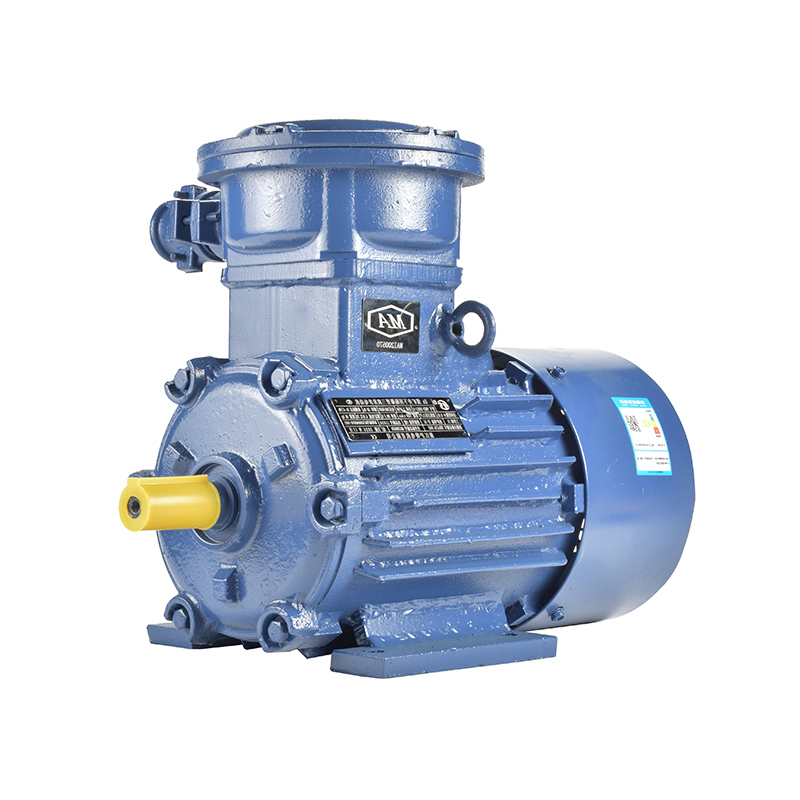
As global industries continue upgrading toward smarter and more energy-efficient systems, the demand for reliable Three Phase Electric Motor solutions is expected to remain strong, particularly in automation, HVAC, and heavy-duty mechanical applications.

-
Feedback
Related products
PRODUCT
KEEP IN TOUCH
Copyright © Zhejiang Hute Motor Co., Ltd. All Rights Reserved.
Electric Motor in China
 浙ICP备2023016719号-1