


 English
 русский
 Español
 عربى
عربى
Author: Admin Date: 2026-10-09
What Should Engineers Check Before Selecting a Flameproof Motor for Hazardous Areas?
Selecting an electric motor for a hazardous industrial environment involves more than matching power, speed, and mounting dimensions. Engineers also need to consider the classified area, explosive atmosphere, protection method, operating temperature, installation conditions, and certification requirements. With international requirements for explosive-atmosphere equipment continuing to develop, procurement teams need a clearer approach to evaluating motors before they become part of a larger industrial system.
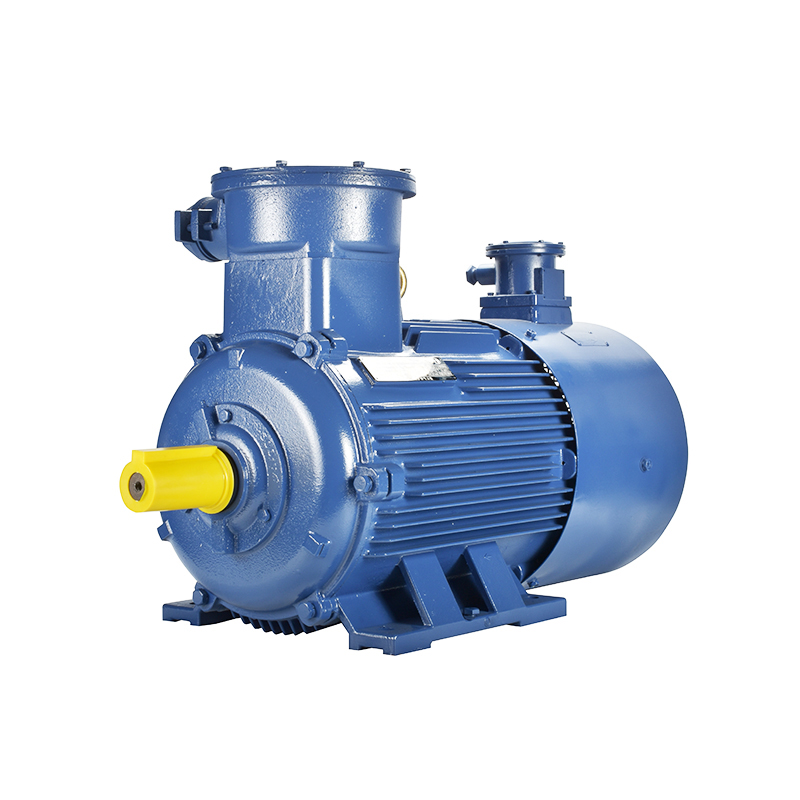
Begin With the Hazardous Area Classification
The first step should be understanding where the motor will operate. The presence of flammable gas, vapor, mist, or combustible dust can affect the protection method and equipment specification.
For a manufacturer, the application information provided by the buyer is essential. Zone classification, gas or dust characteristics, ambient conditions, and installation location should be confirmed before selecting the motor. IEC 60079-0:2026 specifies general requirements for Ex equipment and components intended for explosive atmospheres, including construction, testing, and marking.
Understand What "Flameproof" Actually Means
A flameproof enclosure is designed around a specific protection concept rather than simply providing a stronger motor housing. The enclosure, joints, flame paths, and other construction details are part of the protection system.
This is why engineers should not treat a standard three-phase motor as interchangeable with a hazardous-area motor simply because the electrical ratings appear similar. The protection method needs to correspond with the intended hazardous location and applicable certification requirements.
Match the Motor to the Driven Equipment
Explosion protection is only one part of the selection process. The motor still needs to provide the required mechanical output for the pump, fan, compressor, conveyor, mixer, or other driven equipment.
Before requesting a quotation, buyers should normally confirm:
- Required output power and operating speed
- Starting and running conditions
- Mounting arrangement
- Supply voltage and frequency
- Duty cycle and load characteristics
- Ambient temperature and installation environment
A motor that meets the hazardous-area requirement but is poorly matched to the driven load can still create operational problems.
Efficiency Is Becoming a Bigger Procurement Issue
Energy consumption is receiving more attention in industrial motor purchasing, including equipment intended for hazardous environments. Recent industry developments show manufacturers working to combine hazardous-area protection with higher motor efficiency, reflecting the growing need to manage operating costs without overlooking safety requirements.
For buyers, however, efficiency should be evaluated alongside the complete operating profile. A motor's efficiency at the expected load, compatibility with the drive system, thermal behavior, and maintenance requirements may be more useful than focusing on an efficiency class in isolation.
Check Certification and Installation Requirements
Documentation should be part of the purchasing process, not an afterthought. Engineers need to confirm that the proposed motor is certified for the intended hazardous location and protection concept.
Installation requirements also matter. Cable entries, grounding, terminal connections, enclosure integrity, and maintenance procedures can all affect the continued effectiveness of the protection system. In the United States, hazardous-location electrical equipment must be approved for the relevant classified location and the specific ignitable or combustible material present.
Consider Heat and Continuous Operation
Temperature management deserves particular attention because motors generate heat during operation. Ambient temperature, load, ventilation, installation arrangement, and duty cycle can influence the motor's thermal condition.
For hazardous-area applications, engineers should therefore avoid evaluating the motor only from a nameplate perspective. The complete operating environment should be reviewed to determine whether the selected motor can maintain its intended performance under actual working conditions.
Treat Maintenance as Part of the Safety Strategy
A motor used in a hazardous area needs appropriate inspection and maintenance throughout its service life. Maintenance personnel should understand the protection method and follow the applicable procedures when opening, inspecting, repairing, or replacing components.
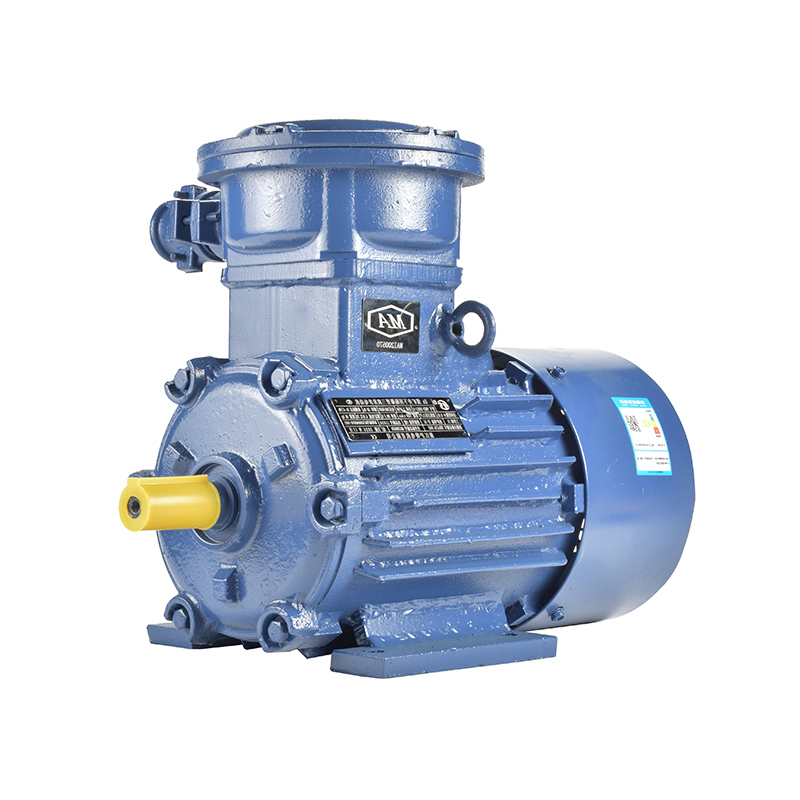
For manufacturers, providing clear technical documentation can help buyers establish appropriate installation and maintenance practices. For procurement teams comparing a Flameproof Three Phase Electric Motor, the right choice is not simply the motor with a suitable electrical rating. It should be a motor whose protection concept, certification, mechanical performance, thermal characteristics, and installation requirements align with the actual application.
For industrial buyers working with a manufacturer, discussing the hazardous-area classification and complete operating conditions before production can make specification review more accurate and help ensure that the selected motor is suitable for its intended environment.

-
Feedback
Related products
PRODUCT
KEEP IN TOUCH
Copyright © Zhejiang Hute Motor Co., Ltd. All Rights Reserved.
Electric Motor in China
 浙ICP备2023016719号-1