


 English
 русский
 Español
 عربى
عربى
Author: Admin Date: 2026-10-02
Are You Sure Your Motor Is Certified for the Hazardous Area It Runs In?
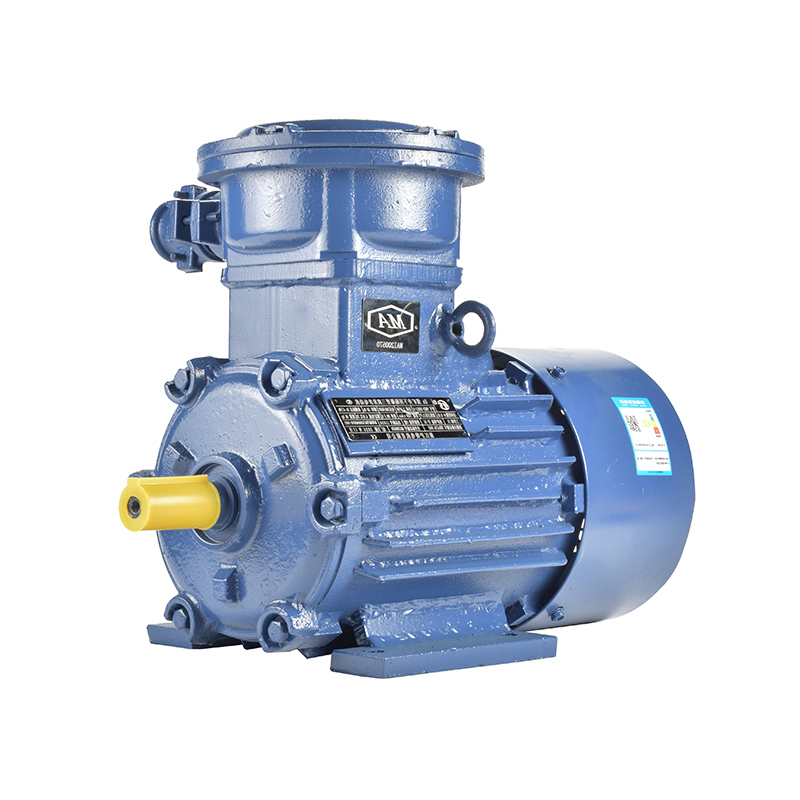
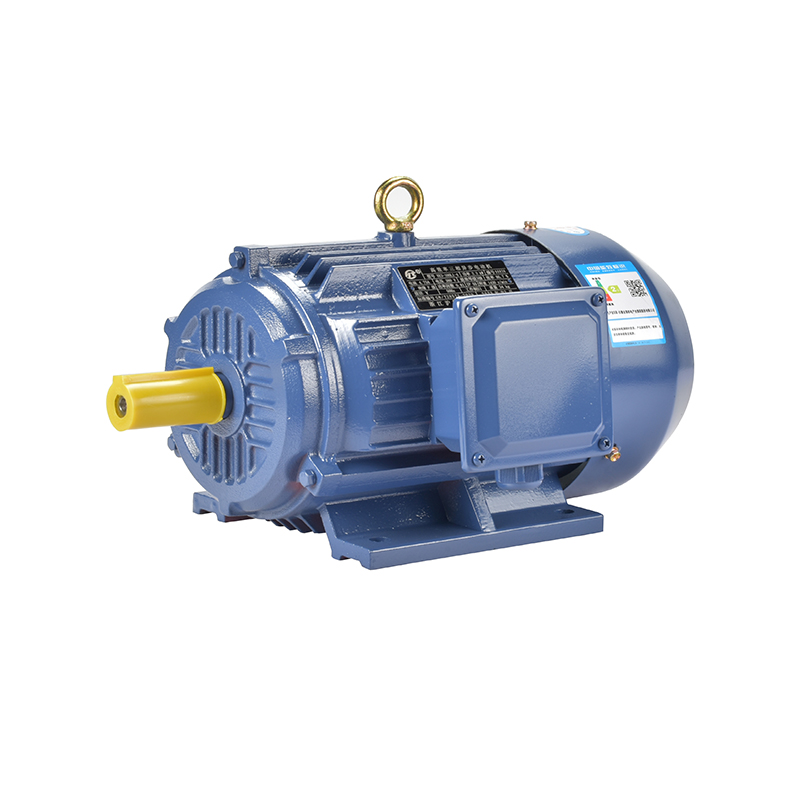
Plant engineers and procurement managers in oil and gas, chemical processing, and mining are asking a question that rarely gets a simple answer: how do you match a motor's certification to the exact classification of the zone where it will operate? Mismatched equipment is one of the most common reasons purchase orders get held up during safety review. For teams sourcing a flameproof three phase electric motor, understanding what the marking on the nameplate actually means can save weeks of back-and-forth before installation.
Why Certification Questions Dominate Buyer Searches
Recent activity on engineering forums and industrial sourcing platforms shows buyers searching for plain-language explanations of ATEX, IECEx, and regional certification schemes. Many are working across several export markets at once, and each region applies its own documentation requirements. The result is a growing preference for suppliers who can explain certification scope clearly, rather than simply listing certificates in a product brochure.
Reading the Nameplate: Gas Group, Temperature Class and Protection Type
The flameproof enclosure principle is designed to contain an internal explosion and prevent it from igniting the surrounding atmosphere. Buyers should check three details before approving a purchase: the gas group the motor is rated for, the temperature class, and the equipment protection level. A motor suited to one gas group may be unsuitable for another, and a temperature class that is too high for the process gas creates a real ignition risk. Confirming these against the site's hazardous area classification drawing is a step no team should skip.
Common Selection Mistakes We See in Enquiries
As a manufacturer, we review technical enquiries every week, and the same issues keep appearing:
- Ordering by power rating alone without confirming the zone classification
- Overlooking ambient temperature limits at the installation site
- Choosing the wrong cable gland type for the enclosure
- Ignoring duty cycle when the motor runs on a variable frequency drive
- Assuming certificates from one region are automatically accepted in another
Catching these early prevents delays at inspection and avoids costly rework.
Operating Conditions Beyond the Hazardous Zone
Explosion protection is only part of the picture. Motors in refineries, coastal terminals, and mining sites also face moisture, dust, vibration, and corrosive air. Enclosure ingress protection, coating quality, and bearing selection all influence how long a motor stays in service. Buyers increasingly ask about these factors alongside certification, since a compliant motor that fails early still disrupts production.
Working With Variable Frequency Drives
More facilities now run motors on drives to control speed and reduce energy use. In hazardous areas this adds a layer of complexity, because the motor's certification and temperature behavior must be verified for drive operation, not just for direct-on-line supply. Engineers should ask suppliers whether the motor has been assessed for use with a drive and what speed range and switching frequency limits apply.
Documentation and Inspection Readiness
Auditors and site safety officers expect a complete document package: certificates, drawings, test records, and installation instructions. Buyers who request these before ordering, rather than after delivery, tend to move through commissioning faster. Clear labeling and traceable serial numbers also simplify future inspections and maintenance records.
After-Sales Support and Repair Considerations
Repairing a certified motor requires care, since improper work can compromise the flameproof joints that make the enclosure safe. Buyers should confirm that a supplier provides technical guidance, genuine spare parts, and clear instructions on which repairs must be carried out by qualified personnel.
For buyers preparing to source a flameproof three phase electric motor, the most reliable approach is to start with the site classification, verify the certification scope, and ask for documentation upfront. Our engineering team is glad to review your application details and help you match the motor to the environment it will serve.

-
Feedback
Related products
PRODUCT
KEEP IN TOUCH
Copyright © Zhejiang Hute Motor Co., Ltd. All Rights Reserved.
Electric Motor in China
 浙ICP备2023016719号-1