


 English
 русский
 Español
 عربى
عربى
Author: Admin Date: 2026-10-16
How Can Better Motor Maintenance Support Safety in Hazardous Industrial Environments?
For equipment operating in hazardous areas, motor selection should not end when the purchase order is approved. Installation quality, routine inspection, thermal conditions, electrical connections, and maintenance practices can all influence the long-term condition of the equipment. This is especially important for three-phase motors used around potentially explosive gases, vapors, or combustible dust. For overseas engineers and procurement teams, considering maintenance requirements at the beginning of the purchasing process can make equipment management more predictable throughout its service life.
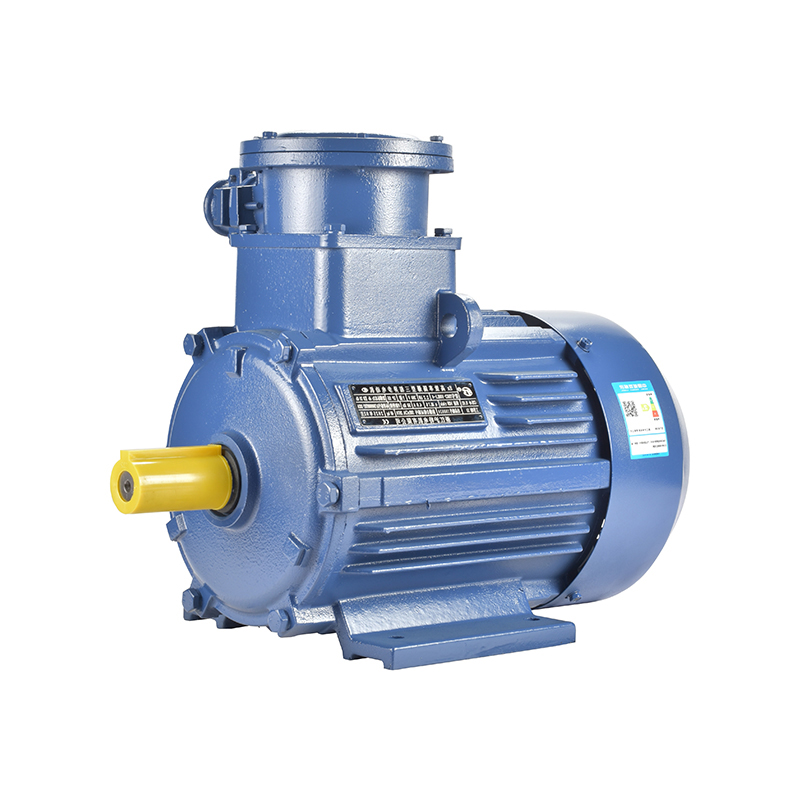
Maintenance Begins With the Right Specification
A maintenance-friendly motor starts with a specification that matches the actual application. Engineers should provide the hazardous-area classification, operating environment, load characteristics, voltage, frequency, mounting arrangement, and expected duty before selecting the motor.
This information allows the manufacturer to evaluate the motor as part of the complete installation rather than treating it as an isolated electrical product. A correct specification can also make future replacement easier because key technical parameters are documented from the beginning.
Installation Can Affect Protection Performance
A certified motor still needs to be installed correctly. Cable entries, terminal connections, grounding, enclosure condition, mounting, and other installation details should be handled according to the applicable requirements.
IEC 60079-14:2024 covers the design, selection, installation, and initial inspection of electrical installations involving Ex equipment in explosive atmospheres. It also addresses documentation and personnel competency.
For buyers, this means installation requirements should be discussed with the supplier before delivery rather than left entirely to the final installation stage.
Keep an Eye on Temperature
Temperature is an important operating consideration for industrial motors. Load level, ambient temperature, ventilation conditions, installation arrangement, and operating duty can all influence motor temperature.
In hazardous environments, thermal behavior needs additional attention because the equipment's permissible temperature is connected with the surrounding atmosphere and protection concept. Engineers should therefore consider the actual operating conditions instead of selecting a motor only from its rated output.
From a manufacturer's perspective, understanding the expected load profile helps create a more appropriate technical specification and reduces the risk of selecting equipment that does not suit the application.
Inspection Should Be Part of the Routine
Inspection is not only necessary after a motor develops a visible fault. Regular checks can help identify changes in electrical connections, enclosure condition, mechanical operation, or other factors that may require attention.
IEC 60079-17:2023 specifically addresses inspection and maintenance of electrical installations designed for hazardous areas and includes inspection and maintenance requirements for individual equipment such as motors.
A practical maintenance plan may consider:
- Enclosure and connection condition
- Cable entry and terminal integrity
- Signs of abnormal heating
- Mechanical noise or vibration
- Bearing and lubrication condition where applicable
- Changes in operating performance
Do Not Treat Vibration as a Separate Issue
Unexpected vibration can be an early indication of mechanical or installation-related problems. Misalignment, imbalance, bearing wear, loose mounting, or changes in the driven equipment can influence motor vibration.
For maintenance teams, comparing current operating behavior with previous inspection records can provide useful information. The goal is not to rely on one measurement alone, but to identify changes that may justify further investigation before they become a larger production issue.
Documentation Makes Replacement Easier
Good documentation can reduce uncertainty when maintenance teams need to repair or replace equipment. Motor identification, electrical ratings, protection information, installation records, inspection history, and applicable certification documents should be kept accessible.
This is particularly useful for plants operating several motors with similar external appearances but different protection requirements. Clear records help engineers identify the correct replacement instead of relying on physical dimensions alone.
Select a Motor With Its Service Life in Mind
For overseas buyers, the purchase decision should include more than the initial motor price. Installation requirements, inspection access, maintenance procedures, documentation, spare-part planning, and technical support can all influence the practical value of the equipment over time.
A manufacturer should be able to discuss these requirements before production and provide technical information that supports installation and maintenance. When selecting a Flameproof Three Phase Electric Motor, buyers should therefore evaluate not only electrical performance and hazardous-area suitability, but also how easily the motor can be installed, inspected, maintained, and documented throughout its working life.

-
Feedback
Related products
PRODUCT
KEEP IN TOUCH
Copyright © Zhejiang Hute Motor Co., Ltd. All Rights Reserved.
Electric Motor in China
 浙ICP备2023016719号-1