


 English
 русский
 Español
 عربى
عربى
Author: Admin Date: 2026-06-12
Is Energy Efficiency Becoming the New Standard for Industrial Motor Selection?
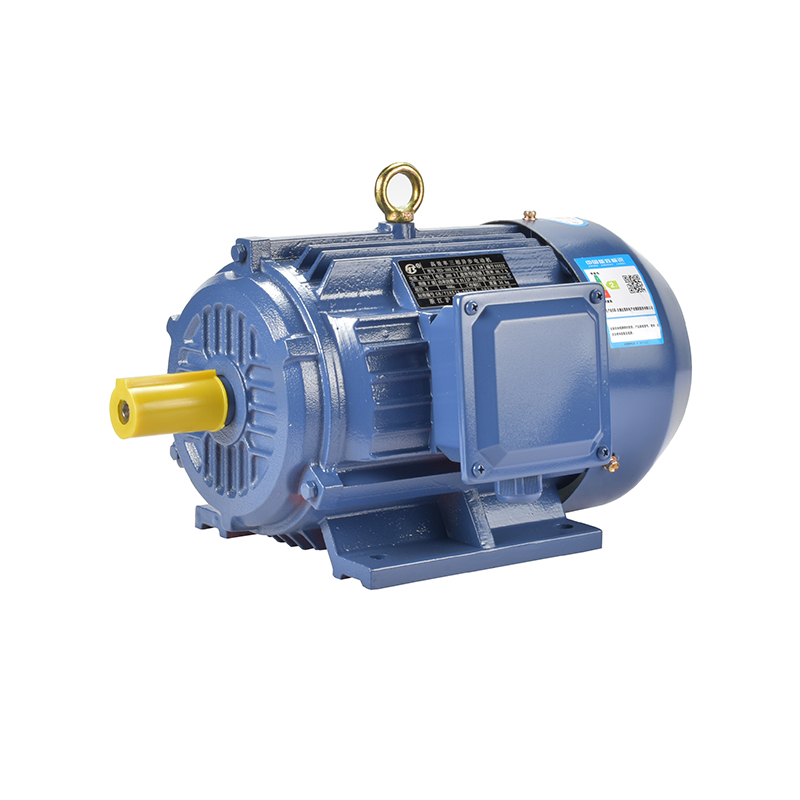
Energy efficiency is quickly becoming a core requirement in industrial equipment selection rather than an optional feature. Across manufacturing plants, HVAC systems, water treatment facilities, and automated production lines, procurement teams are paying closer attention to operational energy consumption and system flexibility. This shift has increased demand for the Second Class Energy Efficient Motor , especially among buyers seeking stable performance with reduced long-term operating costs. At the same time, the expansion of smart manufacturing has made variable-speed solutions more relevant than ever.
Rising Focus on Energy Cost Control
One of the main reasons behind this trend is the continuous rise in industrial electricity costs. Companies are no longer evaluating motors based only on purchase price but are instead analyzing total lifecycle expenses.
Energy consumption now plays a decisive role in procurement decisions. Even small efficiency improvements can lead to significant savings in large-scale operations where motors run continuously. This has pushed energy-efficient motor technology into the center of industrial upgrade planning.
Variable-Speed Systems Are Becoming More Common
Modern production systems often require flexible speed control rather than constant output. Traditional fixed-speed motors may waste energy when full power is not needed.
Variable-speed technology helps adjust motor operation based on real-time demand, improving efficiency and reducing mechanical stress. As a result, industries such as pumping systems, conveyors, and ventilation are increasingly adopting inverter-driven solutions.
What Buyers Expect from Industrial Motors Today
Industrial buyers are becoming more technical and detail-oriented when selecting motors. Common expectations now include:
- Stable performance under variable loads
- Compatibility with inverter systems
- Improved thermal management
- High insulation reliability
- Long service life with low maintenance needs
These requirements reflect a shift toward long-term operational value rather than short-term cost savings.
Reliability Still Matters as Much as Efficiency
While energy efficiency is important, reliability remains a key purchasing factor. Equipment downtime can cause production interruptions and financial losses that outweigh energy savings.
For this reason, buyers closely evaluate motor construction quality, bearing systems, and insulation performance. Motors used in continuous-duty environments must maintain stable operation even under fluctuating loads and challenging working conditions.
Custom Requirements Are Increasing
Different industries often require different motor configurations depending on their application environment. As a result, customization has become more common in procurement requests.
Typical customization needs include:
- Voltage and frequency adjustments
- Different mounting structures
- Protection level upgrades
- Shaft dimension modifications
- Application-specific cooling designs
These options allow motors to integrate more effectively into diverse industrial systems.
The Role of Frequency Control in Modern Industry
Frequency conversion technology is playing an increasingly important role in industrial automation. It enables precise speed regulation, smoother system control, and improved energy efficiency across multiple applications.
From HVAC systems to industrial conveyors and fluid handling equipment, frequency control is helping companies optimize performance while reducing unnecessary energy consumption.
Conclusion: Efficiency and Flexibility Are Defining the Future
As industries continue to modernize, motor selection is becoming more strategic. Companies are no longer choosing equipment based only on specifications but on long-term performance, adaptability, and energy savings.
For manufacturers, distributors, and engineering contractors, selecting the right Second Class Energy Efficient Motor is an important step toward reducing operational costs, while a well-designed Frequency Conversion Motor provides the flexibility needed for evolving industrial applications.

-
Feedback
Related products
PRODUCT
KEEP IN TOUCH
Copyright © Zhejiang Hute Motor Co., Ltd. All Rights Reserved.
Electric Motor in China
 浙ICP备2023016719号-1