


 English
 русский
 Español
 عربى
عربى
Author: Admin Date: 2026-06-05
Why Are Industrial Buyers Upgrading Motor Systems Instead of Only Optimizing Equipment Design?
In today’s industrial procurement landscape, energy efficiency and operational flexibility have become central decision-making factors. Across manufacturing plants, HVAC systems, water treatment facilities, and automated production lines, engineers are no longer focused only on mechanical performance—they are increasingly evaluating energy consumption, speed control precision, and long-term operating costs.
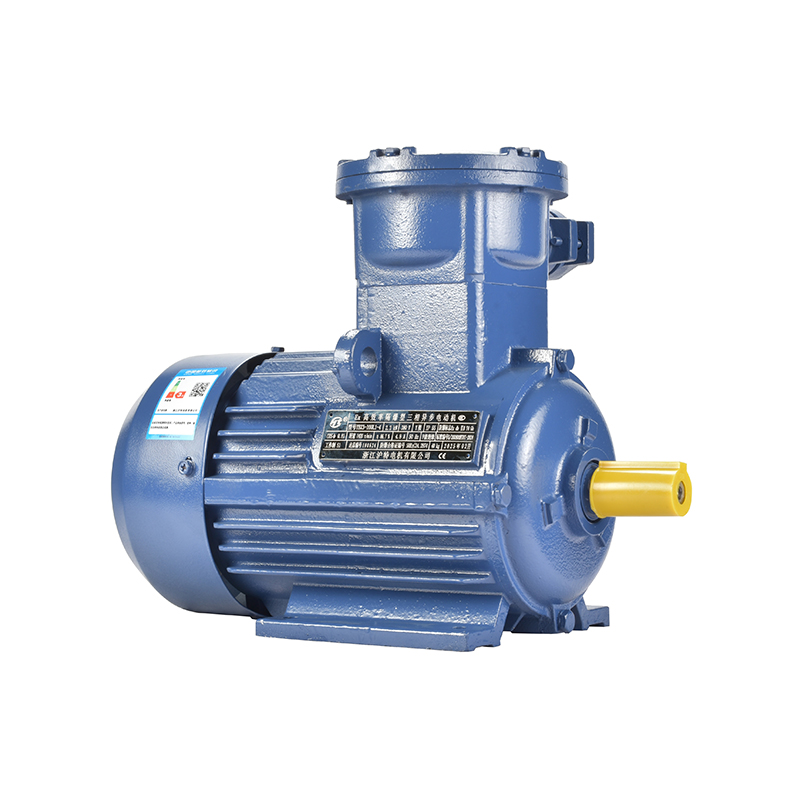
Recent search trends from global buyers show rising interest in terms such as “energy saving industrial motor standards,” “variable speed motor for pump systems,” and “IE efficiency class motor replacement solutions.” These reflect a clear shift toward smarter motor technologies that can adapt to load variation while reducing overall energy waste.
Energy Efficiency Regulations Are Driving Equipment Replacement Cycles
Many industries are currently upgrading legacy motor systems due to tightening energy efficiency standards in multiple regions, including Europe and parts of Asia. These regulations are encouraging factories and facility operators to reduce energy consumption at the equipment level rather than relying solely on system-wide optimization.
Common upgrade drivers include:
- rising electricity costs in continuous production environments
- regulatory pressure for improved efficiency ratings
- aging motor systems with fixed-speed operation
- inconsistent load handling in industrial processes
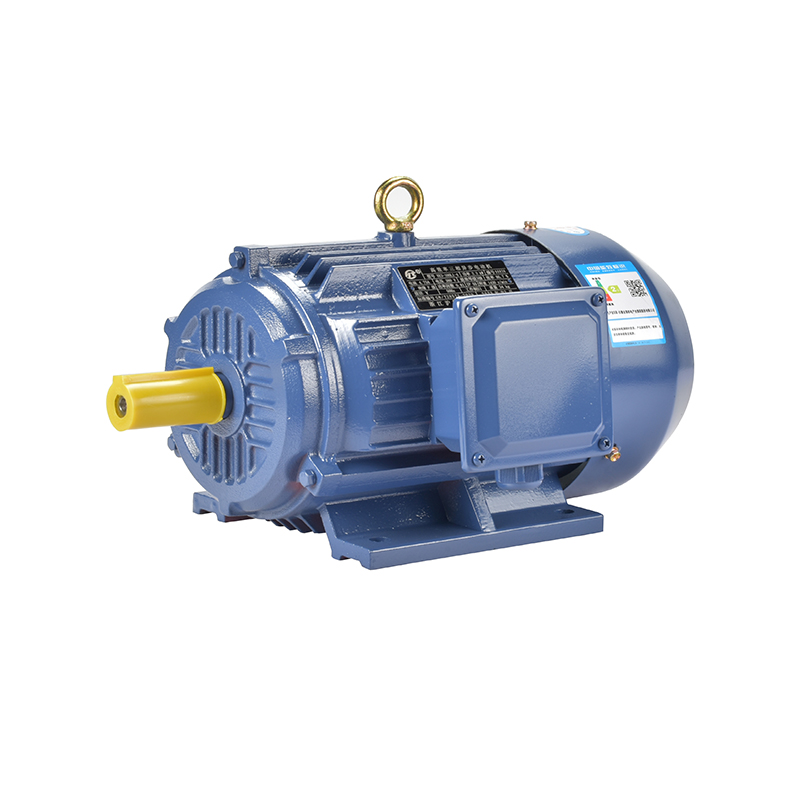
As a result, many buyers are transitioning toward motors designed for improved efficiency classification, including the Second Class Energy Efficient Motor standard used in industrial applications where balanced performance and cost control are required.
Variable Load Conditions Are Exposing Limitations of Fixed-Speed Motors
Industrial systems rarely operate under constant load conditions. Pumps, fans, compressors, and conveyor systems frequently experience fluctuating demand, which fixed-speed motors cannot efficiently manage.
Typical operational issues include:
- excessive energy consumption during low-load operation
- mechanical stress during frequent start-stop cycles
- inefficient torque output at partial load
- reduced system flexibility in automated environments
These limitations are pushing engineers to adopt motor systems that support dynamic speed adjustment and real-time load adaptation.
Frequency Control Technology Is Improving System Stability
One of the most significant developments in industrial motor applications is the integration of frequency conversion technology. Instead of running at a constant speed, motors can now adjust output based on real-time demand.
Key performance benefits include:
- smoother startup and reduced mechanical shock
- optimized energy use across variable loads
- improved process control accuracy
- extended equipment lifespan due to reduced stress
This is especially important in industries such as HVAC, water circulation systems, and automated production lines where load variation is continuous and predictable.
Energy Cost Reduction Has Become a Direct Procurement Priority
Unlike previous years where efficiency was considered a secondary benefit, today’s buyers evaluate motors based on total lifecycle cost. Energy consumption often represents a significant portion of operational expenses in large facilities.
Procurement teams now focus on:
- long-term electricity consumption reduction
- maintenance interval extension
- reduced downtime due to motor failure
- system-level efficiency improvements
This shift is making energy-efficient motor selection a strategic investment rather than a technical upgrade.
Industrial Automation Is Increasing Demand for Precise Speed Control
With the expansion of industrial automation systems, precise motor control has become essential. Many production environments now require synchronized motor operation across multiple machines.
Typical requirements include:
- adjustable speed matching for production lines
- stable torque output under varying loads
- integration with PLC and control systems
- reduced vibration in high-precision processes
These needs are accelerating adoption of motor systems that support intelligent control and adaptive performance adjustment.
Manufacturing Consistency Is Critical for Global Industrial Applications
For industrial buyers, motor reliability is not only about design—it is also about manufacturing precision and quality control. Inconsistent production quality can lead to system instability and increased maintenance costs.
Key manufacturing expectations include:
- strict tolerance control in rotor and stator assembly
- stable insulation performance under long operation cycles
- consistent efficiency performance across batches
- verified testing under load variation conditions
As a result, suppliers that can maintain stable production quality and provide application-specific motor solutions are becoming preferred long-term partners in global procurement.
Future Industrial Systems Will Rely on Adaptive Energy Control
Industrial development is moving toward fully adaptive systems where energy consumption is continuously optimized based on real-time operational data. Motors will play a central role in this transformation by enabling precise control, reduced energy waste, and improved system responsiveness.
As this trend continues, demand for both Second Class Energy Efficient Motor solutions and Frequency Conversion Motor systems will continue to grow, particularly in industries seeking to balance energy efficiency with operational flexibility and long-term equipment stability.

-
Feedback
Related products
PRODUCT
KEEP IN TOUCH
Copyright © Zhejiang Hute Motor Co., Ltd. All Rights Reserved.
Electric Motor in China
 浙ICP备2023016719号-1