


 English
 русский
 Español
 عربى
عربى
Author: Admin Date: 2026-07-24
How Can Motor Efficiency Be Improved Without Increasing Equipment Cost?
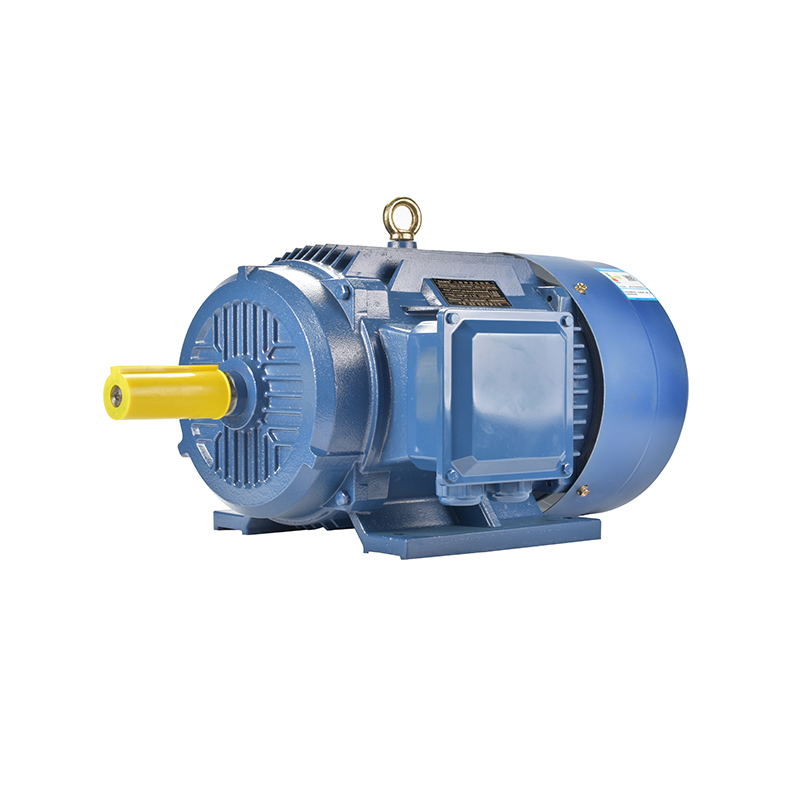
Rising energy prices and stricter industrial efficiency standards are pushing manufacturers to rethink how electric motors are selected and applied. Instead of simply upgrading to higher power models, engineers are now focusing on structural optimization, thermal management, and system matching to improve overall efficiency. This shift has led to increased global search interest in energy-saving industrial motors, lightweight motor housing design, OEM motor customization, and Aluminum Shell Motor, while procurement teams continue evaluating suppliers of Three Phase Electric Motor systems for long-term operational stability and cost control.
Why Efficiency Is Now a System-Level Problem
Motor efficiency is no longer judged in isolation. In modern production systems, motors interact with drives, load conditions, and environmental factors, all of which influence real performance.
Common efficiency challenges include:
- Energy loss under variable load conditions
- Excess heat accumulation during continuous operation
- Mismatch between motor and equipment design
- Inefficient start-stop cycles in automation systems
- Increased power consumption in aging systems
Because of these factors, efficiency optimization must consider the entire application environment.
How Aluminum Housing Contributes to Energy Performance
While often associated with weight reduction, aluminum motor housings also play a role in thermal efficiency. Better heat dissipation helps maintain stable operating conditions, which indirectly supports energy-saving performance.
Key benefits include:
- Faster heat release during continuous operation
- Reduced internal thermal stress
- Improved operational stability under load
- Lower risk of performance degradation over time
- Better suitability for compact industrial equipment
These advantages make aluminum housing motors a practical choice for energy-conscious applications.
Why Load Matching Is Critical in Industrial Applications
One of the most overlooked causes of inefficiency is improper load matching. When motor capacity does not align with actual operating requirements, energy waste increases significantly.
Engineers now pay closer attention to:
- Real operating load versus rated capacity
- Duty cycle requirements in production lines
- Start-stop frequency in automation systems
- Torque requirements during peak operation
- System-level energy consumption patterns
Proper selection helps improve efficiency without increasing equipment investment.
What OEM Buyers Expect from Motor Manufacturers
OEM equipment manufacturers require motors that integrate seamlessly into their systems while maintaining stable performance across different configurations.
Typical expectations include:
- Consistent torque and speed characteristics
- Flexible mounting and structural compatibility
- Stable manufacturing quality across batches
- Support for application-specific adjustments
- Reliable technical communication during development
These requirements ensure motors perform efficiently within complex machinery systems.
How Manufacturing Quality Affects Long-Term Energy Use
Energy efficiency is not only determined at the design stage but also influenced by manufacturing precision. Small deviations in assembly or machining can increase vibration, heat generation, and energy consumption.
A controlled manufacturing process typically includes:
- Strict raw material inspection
- Precision machining of key components
- Stable assembly procedures
- Performance testing under load conditions
- Final verification before shipment
This helps ensure motors maintain efficiency throughout their service life.
Why Industrial Buyers Are Moving Toward Integrated Solutions
Instead of purchasing motors as standalone components, many industrial buyers now prefer integrated solutions that consider the full system design. This approach helps reduce energy loss and improve long-term stability.
Common focus areas include:
- Motor and drive system compatibility
- Thermal performance optimization
- Equipment-level energy management
- Maintenance reduction strategies
- Lifecycle cost evaluation
This trend reflects a shift toward smarter industrial procurement strategies.
Efficiency Will Define the Next Generation of Motors
As global industries move toward carbon reduction goals and smarter manufacturing systems, motor efficiency will remain a central design priority. Future developments will continue focusing on reducing energy loss, improving thermal control, and enhancing system adaptability.
For equipment manufacturers and industrial users, selecting a reliable Aluminum Shell Motor is an important step toward improving operational efficiency. By partnering with a trusted supplier of Three Phase Electric Motor solutions, companies can achieve better energy performance, improved thermal stability, and long-term cost optimization across a wide range of industrial applications.

-
Feedback
Related products
PRODUCT
KEEP IN TOUCH
Copyright © Zhejiang Hute Motor Co., Ltd. All Rights Reserved.
Electric Motor in China
 浙ICP备2023016719号-1