


 English
 русский
 Español
 عربى
عربى
Author: Admin Date: 2026-07-17
What Makes Industrial Motors Perform Reliably in 24/7 Production Environments?
Modern manufacturing is shifting toward continuous, high-load production systems where equipment uptime is critical. From automated factories to logistics systems and HVAC infrastructure, engineers are increasingly focused on motor stability under long operating cycles rather than only nominal specifications. This has led to growing search interest in industrial motor heat management, energy-efficient drive systems, OEM motor customization, and Aluminum Shell Motor, while procurement teams continue to compare suppliers of Three Phase Electric Motor solutions for reliability, durability, and lifecycle cost performance.
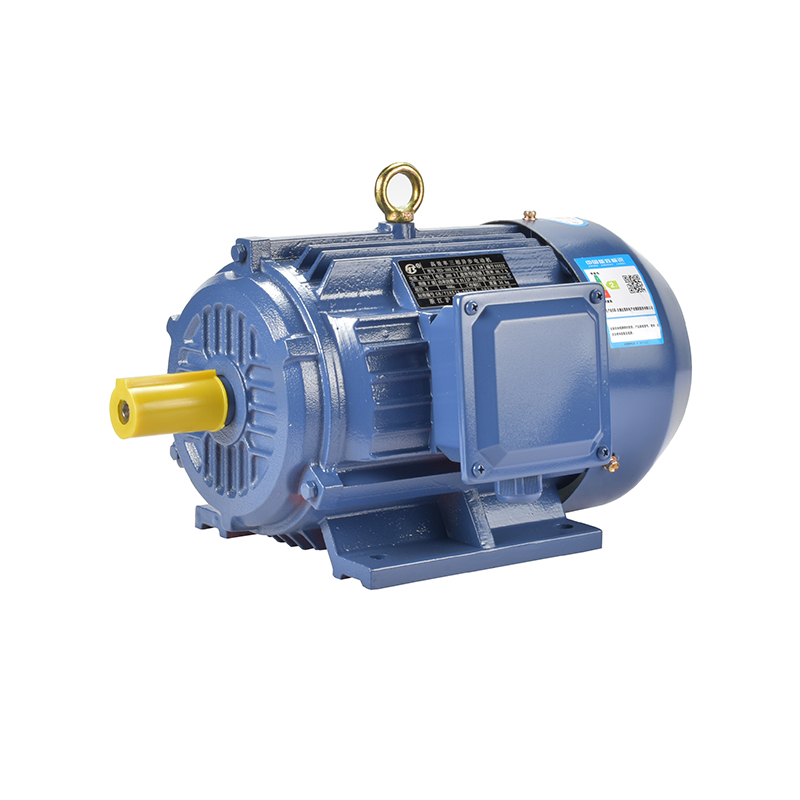
Why Continuous Operation Exposes Motor Design Weaknesses
In 24/7 industrial environments, motors are rarely given time to cool down. This creates cumulative stress on windings, bearings, and housing structures.
Common challenges include:
- Gradual temperature rise during long operation cycles
- Bearing wear due to sustained mechanical load
- Efficiency loss under unstable voltage conditions
- Reduced lifespan in poorly ventilated installations
- Increased maintenance frequency in critical systems
These issues highlight why motor structure design is as important as rated power.
How Aluminum Housing Improves Thermal Stability
One of the most practical improvements in modern motor design is the use of aluminum housings. Compared with heavier traditional materials, aluminum offers more efficient heat dissipation and improved handling characteristics.
Key advantages include:
- Faster heat transfer during continuous operation
- Reduced motor weight for easier installation
- Better corrosion resistance in humid environments
- Improved surface cooling efficiency
- Enhanced suitability for compact machine designs
These characteristics make aluminum housing motors suitable for industries requiring stable long-term operation.
Why Engineering Buyers Focus on System-Level Efficiency
Today’s industrial buyers evaluate motors not as standalone components but as part of a complete mechanical system. Energy consumption, heat generation, and maintenance intervals all affect total operational cost.
Procurement decisions often consider:
- Energy efficiency under varying loads
- Compatibility with automation systems
- Stability during voltage fluctuations
- Ease of integration into OEM equipment
- Long-term maintenance requirements
This system-based evaluation reflects a shift toward lifecycle-oriented purchasing.
What OEM Manufacturers Expect from Motor Suppliers
Equipment manufacturers require more than standard catalog products. They need motors that can be adapted to specific machine designs and operating environments.
Typical OEM requirements include:
- Flexible mounting configurations
- Consistent torque output characteristics
- Stable batch-to-batch manufacturing quality
- Application-specific performance tuning
- Technical support during integration phases
Reliable suppliers help reduce development risk and improve production efficiency for OEM customers.
How Manufacturing Consistency Impacts Motor Performance
Even small variations in manufacturing precision can affect vibration levels, heat generation, and long-term reliability. For this reason, process control is essential in industrial motor production.
A stable manufacturing system typically includes:
- Strict incoming material inspection
- Precision machining of critical components
- Controlled assembly procedures
- Performance and load testing before shipment
- Final quality verification under standardized conditions
These steps ensure motors perform consistently across different industrial applications.
Why Application Diversity Requires Flexible Motor Design
Industrial motors are used in a wide range of systems, each with different torque, speed, and environmental requirements. A flexible product structure allows manufacturers to serve multiple industries without compromising performance.
Common application areas include:
- Conveyor and material handling systems
- Industrial ventilation and HVAC systems
- Pumping and water treatment equipment
- Packaging and automation machinery
- Light manufacturing equipment
This diversity increases the importance of adaptable motor design.
Efficiency and Reliability Will Drive Future Motor Development
As industries continue to automate and expand production capacity, demand for reliable and energy-efficient motors will continue to grow. Future motor development will focus not only on output performance but also on thermal management, structural optimization, and long-term operational stability.
For OEM manufacturers, distributors, and industrial equipment builders, selecting a dependable Aluminum Shell Motor is a strategic decision that directly affects system reliability. By working with an experienced supplier of Three Phase Electric Motor solutions, companies can achieve better energy efficiency, improved thermal performance, and more stable operation across demanding industrial environments.

-
Feedback
Related products
PRODUCT
KEEP IN TOUCH
Copyright © Zhejiang Hute Motor Co., Ltd. All Rights Reserved.
Electric Motor in China
 浙ICP备2023016719号-1