


 English
 русский
 Español
 عربى
عربى
Author: Admin Date: 2026-07-31
What Determines the Real Service Life of an Industrial Electric Motor?
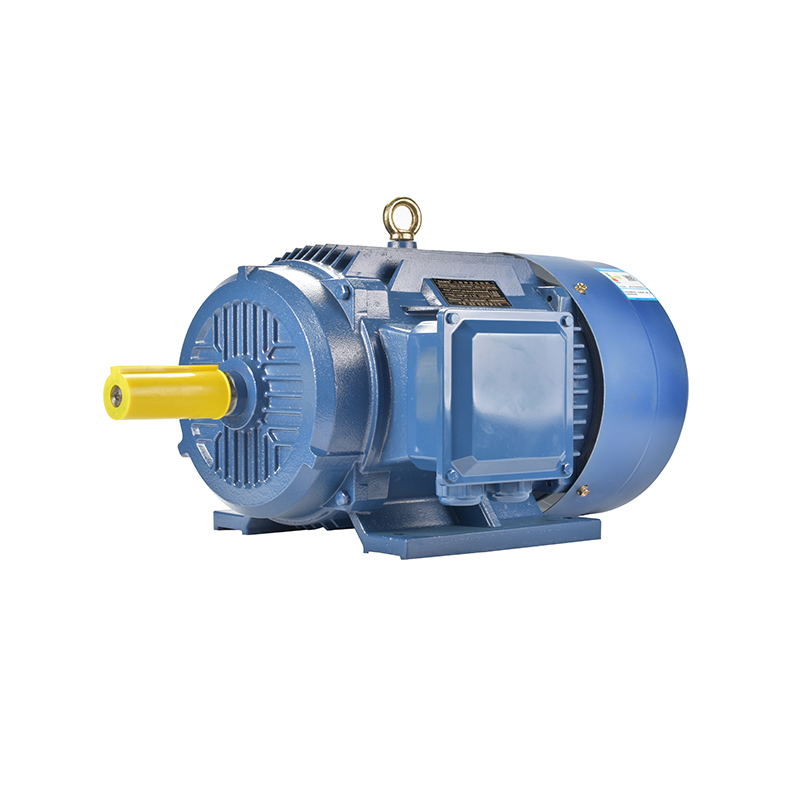
In industrial environments where equipment runs for long hours under variable loads, motor lifespan has become a key concern for engineers and procurement teams. Instead of focusing only on rated power or price, buyers are increasingly researching motor bearing failure causes, industrial motor overheating solutions, maintenance-free electric motors, and Aluminum Shell Motor, while also comparing suppliers of Three Phase Electric Motor systems that can guarantee stable long-term performance in demanding applications.
Why Motor Lifespan Is Often Shorter Than Expected
Many motors fail earlier than their theoretical lifespan due to real-world operating conditions that differ from laboratory testing environments. Continuous operation, unstable loads, and poor ventilation are common contributors.
Frequent causes of reduced service life include:
- Prolonged high-temperature operation
- Improper load matching during use
- Bearing wear caused by vibration or misalignment
- Dust and moisture intrusion in industrial environments
- Electrical stress from unstable power supply
Understanding these factors helps engineers design better maintenance strategies.
How Thermal Management Directly Impacts Durability
Heat is one of the most significant factors affecting motor aging. Excessive temperature accelerates insulation degradation and increases mechanical stress on internal components.
Improved thermal performance can help:
- Reduce winding insulation aging
- Lower bearing lubrication breakdown
- Maintain stable torque output
- Improve overall operational reliability
- Extend maintenance intervals
This is why housing design and cooling efficiency are critical considerations in motor selection.
Why Aluminum Housing Improves Long-Term Stability
Aluminum motor housings are widely used in modern industrial equipment because of their ability to dissipate heat more efficiently while maintaining structural strength.
Key advantages include:
- Faster heat conduction away from internal components
- Reduced overall motor weight
- Improved resistance to corrosion in humid environments
- Better performance in compact equipment layouts
- More stable temperature distribution during operation
These characteristics contribute directly to longer service life under continuous industrial use.
The Role of Manufacturing Precision in Motor Longevity
Even small deviations in manufacturing accuracy can significantly impact long-term motor performance. Precision in assembly and machining helps reduce vibration, noise, and uneven wear.
A controlled production process typically includes:
- Strict raw material inspection before production
- Precision machining of rotor and stator components
- Controlled assembly procedures to reduce misalignment
- Dynamic performance testing under load
- Final inspection to ensure consistent quality
These steps help ensure motors maintain stable performance over time.
Why Maintenance Strategy Is as Important as Design
Even a well-designed motor requires proper maintenance to achieve its expected lifespan. Industrial users are increasingly adopting predictive maintenance strategies rather than reactive repairs.
Effective maintenance practices include:
- Regular bearing lubrication checks
- Monitoring operating temperature trends
- Vibration analysis during operation
- Electrical load inspection
- Preventive replacement of wear components
These methods help reduce unexpected downtime and extend equipment life.
What Industrial Buyers Expect from Motor Suppliers
Modern procurement decisions go beyond product specifications. Buyers now evaluate whether suppliers can support long-term operational reliability and technical consistency.
Key expectations include:
- Stable manufacturing quality across production batches
- Application-specific engineering support
- Reliable performance under continuous operation
- Consistent component sourcing and assembly
- Clear technical documentation and communication
These factors help reduce lifecycle risk for industrial equipment.
Reliability Will Define Future Motor Development
As industries continue to automate and expand production capacity, equipment reliability will become even more important. Motors will need to operate longer, run more efficiently, and require less maintenance under increasingly complex conditions.
For OEM manufacturers and industrial operators, selecting a dependable Aluminum Shell Motor is a strategic decision that directly affects equipment uptime and maintenance cost. By working with a trusted supplier of Three Phase Electric Motor solutions, companies can achieve improved durability, stable performance, and longer service life across a wide range of industrial applications.

-
Feedback
Related products
PRODUCT
KEEP IN TOUCH
Copyright © Zhejiang Hute Motor Co., Ltd. All Rights Reserved.
Electric Motor in China
 浙ICP备2023016719号-1