


 English
 русский
 Español
 عربى

Author: Admin Date: 2026-11-13
Is Your Three Phase Motor Consuming More Energy Than the Application Requires?
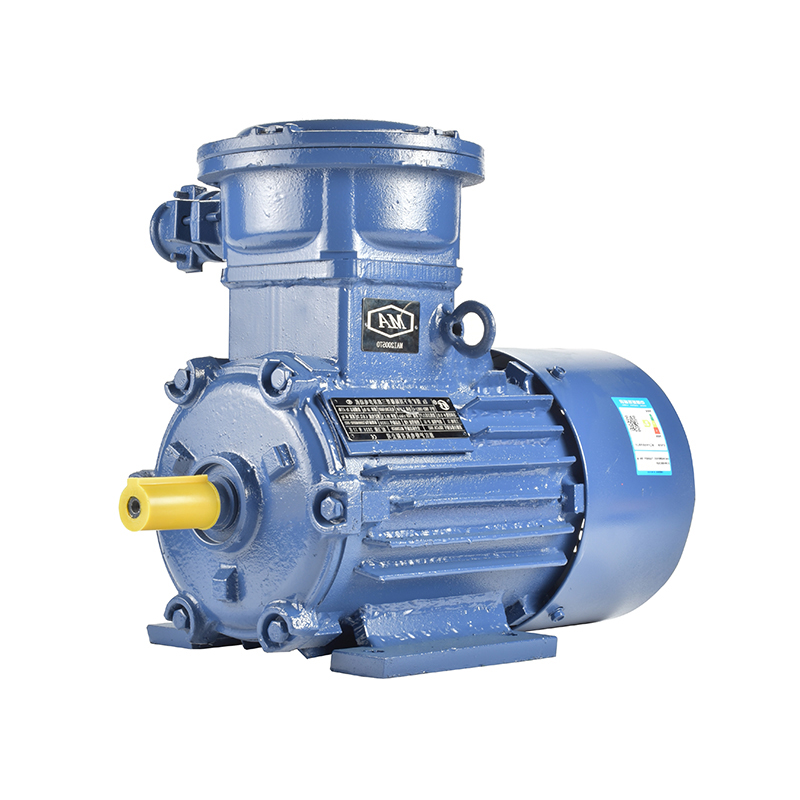
Electric motors are essential to industrial production, powering pumps, fans, compressors, conveyors, and many other types of machinery. As manufacturers pay closer attention to operating costs and energy management, motor selection is becoming more than a matter of matching rated power to equipment requirements. A High Efficiency Three Phase Electric Motor can help reduce electrical losses, but its actual performance also depends on load conditions, operating hours, power supply, and installation quality. For overseas equipment manufacturers and industrial buyers, understanding these factors is important when evaluating motor efficiency and selecting a suitable solution for long-term operation.
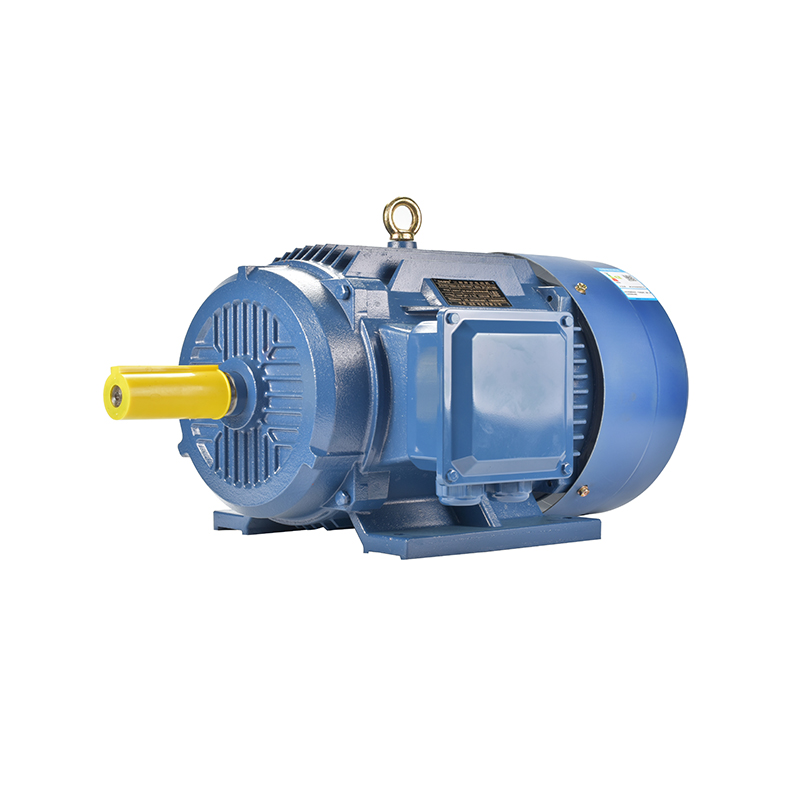
Rated Power Does Not Tell the Whole Story
Motor rated power indicates the output the motor is designed to deliver under specified conditions. However, industrial equipment does not always operate at the same load throughout the working day.
A motor that is consistently oversized may operate inefficiently when the connected equipment requires only a small proportion of its rated output. Conversely, a motor with insufficient capacity may experience excessive loading and operating stress.
Before purchasing a three phase electric motor, engineers should evaluate the equipment's actual power demand, starting requirements, operating cycle, and expected load variations. This provides a more practical basis for selecting motor capacity than relying on the original equipment rating alone.
Understand Where Energy Losses Occur
Electrical energy supplied to a motor is not converted entirely into mechanical output. Losses occur through several mechanisms, including winding resistance, magnetic effects, friction, and ventilation.
Motor design and manufacturing processes influence these losses. Core material selection, winding quality, rotor construction, bearing arrangements, and cooling design all contribute to overall motor performance.
For buyers comparing high-efficiency motor models, it is useful to review the declared efficiency level under the applicable testing standard. Comparing products under consistent conditions makes technical specifications more meaningful and helps procurement teams avoid relying on marketing descriptions alone.
Match Motor Efficiency to Operating Hours
The value of an efficient motor depends partly on how frequently and how long it operates. Equipment running for extended periods may offer greater opportunities for energy savings than machinery used occasionally.
When evaluating a motor replacement project, buyers should consider:
- Daily and annual operating hours
- Typical load during normal production
- Electricity costs in the installation region
- Existing motor efficiency and condition
- Expected service life and maintenance requirements
These factors can help businesses assess whether upgrading to a more efficient motor is economically reasonable. A purchase decision based on the complete operating cycle is generally more useful than comparing initial prices alone.
Check Voltage and Frequency Compatibility
A motor designed for one power supply configuration may not be suitable for another without confirming its electrical specifications. Voltage, frequency, phase arrangement, and connection method should all be checked before ordering.
For international buyers, this is particularly important because industrial power standards differ between markets. A motor intended for export should have its nameplate information and electrical configuration clearly confirmed.
Engineers should also consider whether the motor will operate with a variable frequency drive. Where speed control is required, compatibility between the motor, drive, cooling arrangement, and operating range needs to be evaluated as a complete system.
Cooling and Installation Affect Operating Performance
Even a well-designed motor can encounter operating problems if its installation environment is unsuitable. Restricted airflow, excessive ambient temperature, dust accumulation, and incorrect mounting can affect heat dissipation.
Buyers should review the motor's cooling method, enclosure protection, mounting arrangement, and environmental requirements before selecting a model. For equipment installed in confined spaces or demanding industrial environments, these details deserve particular attention.
Proper alignment, suitable foundations, and appropriate electrical connections also help the motor operate as intended. Installation should follow the manufacturer's technical instructions.
Maintenance Helps Preserve Efficiency
Motor efficiency should not be considered only at the time of purchase. Bearing condition, ventilation passages, electrical connections, and insulation condition can influence operating reliability over time.
A practical maintenance program may include regular inspection of:
- Bearing noise and operating temperature
- Cooling fan and ventilation openings
- Electrical connections and supply conditions
- Unusual vibration during operation
- Signs of dust accumulation or insulation deterioration
Identifying developing problems early can help maintenance teams avoid unnecessary downtime and keep equipment operating within its intended conditions.
Choose a Motor Manufacturer With Clear Technical Support
Selecting an efficient motor requires coordination between electrical specifications, mechanical design, operating conditions, and installation requirements. As a manufacturer of High Efficiency Three Phase Electric Motor products, we believe buyers should evaluate more than rated power and efficiency figures. Understanding the application, confirming power supply compatibility, and reviewing cooling and maintenance requirements can lead to a more appropriate purchasing decision. For overseas distributors, industrial equipment manufacturers, and plant operators, working with a manufacturer that can explain technical specifications and support model selection helps make motor procurement more practical and supports long-term energy management.

-
Feedback
Related products
PRODUCT
KEEP IN TOUCH
Copyright © Zhejiang Hute Motor Co., Ltd. All Rights Reserved.
Electric Motor in China
 浙ICP备2023016719号-1