


 English
 русский
 Español
 عربى

Author: Admin Date: 2026-11-06
How Can Buyers Choose a Three-Phase Motor That Matches Real Operating Conditions?
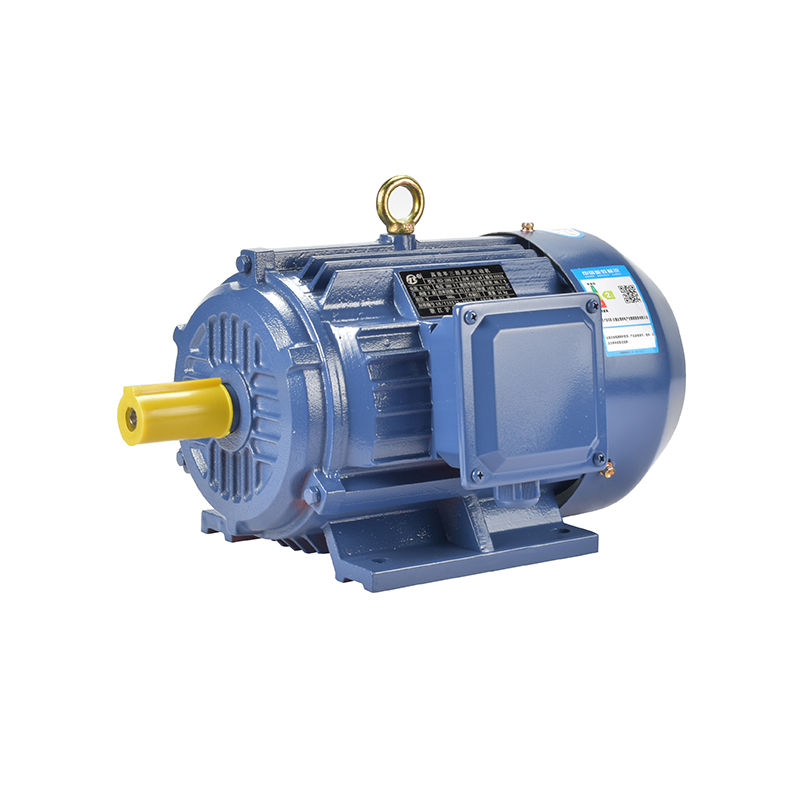
Industrial buyers are paying closer attention to electricity consumption, equipment reliability, and the long-term cost of operating motor-driven machinery. When selecting a High Efficiency Three Phase Electric Motor, however, a higher efficiency figure alone does not guarantee that the motor is suitable for a particular application. The actual result depends on how the motor matches the driven equipment, electrical supply, operating schedule, and installation environment. For manufacturers and procurement teams, understanding these factors before placing an order can help avoid specification mismatches and support more informed purchasing decisions.
Why Should Motor Selection Start with the Driven Equipment?
A motor is selected to operate a machine, not simply to meet a number on a quotation sheet. Pumps, fans, conveyors, compressors, and processing equipment can place different demands on a motor. Some applications operate at a relatively stable load, while others experience frequent starts, changing resistance, or varying operating speeds.
Buyers should first identify the equipment's required output and normal working conditions. This information gives the manufacturer a clearer understanding of the application and helps narrow down suitable motor specifications. Choosing a motor based only on rated power may overlook important differences in starting requirements and operating patterns.
Does Rated Efficiency Tell the Whole Story?
Efficiency ratings are useful when comparing motors under defined test conditions. The IEC 60034-30-1 standard provides efficiency classifications for covered line-operated AC motors. Its 2025 edition introduced IE5 efficiency limits and revised parts of the classification framework. However, not every motor design or operating arrangement falls within the same scope.
For buyers, the practical point is to check the actual efficiency information provided for the motor being considered. The rated power, voltage, frequency, number of poles, and applicable test information should be reviewed together. A general description such as high efficiency is not a substitute for a product datasheet or verified test information.
How Does the Actual Load Affect Energy Consumption?
A motor's operating conditions influence its energy use. A machine that runs for extended periods under a stable load may have different purchasing priorities from equipment that operates intermittently or experiences frequent changes in demand.
Before comparing quotations, buyers should consider:
- Typical operating hours and duty requirements.
- Normal and peak mechanical load.
- Required speed and starting conditions.
- Whether the equipment operates continuously or intermittently.
These details help manufacturers understand the application more accurately. They also give procurement teams a more realistic basis for comparing initial purchase costs with expected operating expenses, without relying on unsupported energy-saving estimates.
What Should Be Checked About the Electrical Supply?
Electrical compatibility is a basic but important part of motor selection. Voltage and frequency requirements should match the available power supply and the motor's approved operating specifications. Buyers replacing an existing motor should check its nameplate rather than relying only on the equipment's general description.
It is also useful to confirm the required phase configuration, rated current, connection arrangement, and starting method where applicable. If the motor will operate in a different electrical environment from the original installation, the intended voltage and frequency combination should be reviewed with the manufacturer before ordering.
How Should Buyers Approach Variable-Speed Applications?
Some industrial processes do not require equipment to operate at a constant speed. In these cases, a variable frequency drive may be considered to adjust motor speed according to process demand.
However, motor and drive compatibility should be confirmed for the intended application. Operating speed range, cooling conditions, electrical characteristics, and the drive manufacturer's requirements may all affect the final selection. Buyers should provide the proposed operating range and drive information when requesting a quotation rather than assuming that every motor can be used in the same way with a frequency converter.
Why Do Installation Details Matter?
A motor must fit both the electrical system and the mechanical structure of the equipment. Incorrect mounting dimensions, shaft specifications, or installation arrangements can create additional work during assembly or replacement.
Procurement teams should confirm the frame size, shaft dimensions, mounting type, and available installation space. Environmental conditions should also be described clearly. Dust, moisture, ambient temperature, and ventilation can influence which motor configuration is appropriate.
Providing drawings or photographs of an existing installation can help manufacturers understand the replacement or integration requirements before production.
What Information Helps Manufacturers Provide a Suitable Motor?
A complete inquiry makes technical communication more effective. Instead of requesting a motor based only on a power rating, buyers should provide the application, required output, voltage, frequency, speed, operating schedule, mounting details, and environmental conditions.
Manufacturers can use this information to review the specification, identify missing details, and clarify which configurations are available. Buyers should then compare the confirmed datasheets, efficiency information, and agreed technical requirements before approving an order.
Selecting a High Efficiency Three Phase Electric Motor is ultimately a matter of matching verified motor specifications with real operating needs. By discussing load conditions, electrical supply, installation requirements, and supporting technical documents in advance, buyers can make more informed decisions and establish clearer expectations with their motor manufacturer.

-
Feedback
Related products
PRODUCT
KEEP IN TOUCH
Copyright © Zhejiang Hute Motor Co., Ltd. All Rights Reserved.
Electric Motor in China
 浙ICP备2023016719号-1