


 English
 русский
 Español
 عربى

Author: Admin Date: 2026-11-27
Is Your Electric Motor Suitable for Harsh Industrial Environments?
Industrial electric motors are often installed in environments where heat, dust, moisture, and limited ventilation can affect operating conditions. A motor selected for a clean indoor workshop may not be suitable for a dusty production line, a humid processing facility, or equipment exposed to changing outdoor temperatures. For overseas equipment manufacturers and plant operators, choosing a High Efficiency Three Phase Electric Motor involves more than comparing rated power and efficiency. Environmental protection, cooling arrangements, insulation, and installation conditions should all be considered before placing an order. Matching the motor to its working environment can help reduce avoidable operating problems and support long-term equipment reliability.
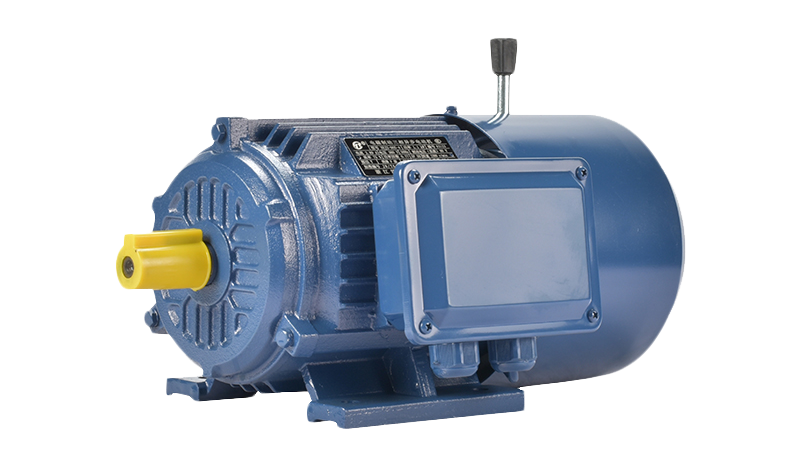
Identify Environmental Conditions Before Selecting a Motor
The first step is to understand where and how the motor will operate. Industrial environments differ considerably, even within the same industry. A motor installed inside a ventilated machine room may face different challenges from one mounted near a production line where dust and moisture are present.
Buyers should provide manufacturers with information about ambient temperature, humidity, airborne particles, ventilation, and possible exposure to water or chemicals. Installation location also matters. Indoor, outdoor, enclosed, and mobile equipment may require different motor configurations.
This information gives engineers a more practical basis for recommending an enclosure and cooling arrangement.
Enclosure Protection Should Match the Installation
The motor enclosure helps protect internal components from environmental exposure. However, buyers should not assume that every enclosed motor provides the same level of protection.
Ingress Protection (IP) ratings describe the degree of protection against solid objects and water under specified test conditions. The appropriate rating depends on the installation environment and the relevant equipment requirements.
When evaluating an industrial three phase motor, procurement teams should confirm:
- The specified IP rating
- Whether dust exposure is expected
- The possibility of water splashes or cleaning procedures
- The motor's mounting location
- Any additional environmental protection requirements
It is also important to distinguish between protection against water ingress and resistance to chemical corrosion. These are different requirements and may call for separate material or coating considerations.
Cooling Capacity Matters in High-Temperature Areas
Heat is a significant consideration in motor applications. Motors generate heat during operation, and their cooling systems need to transfer that heat effectively to the surrounding environment.
In high-temperature facilities, the temperature of incoming cooling air may already be elevated. Restricted airflow, accumulated dust, or installation inside a confined machine enclosure can further affect heat dissipation.
Buyers should review the motor's cooling method, rated operating conditions, ventilation requirements, and thermal characteristics. If the motor will operate in an unusually hot environment, this condition should be communicated during the selection process rather than addressed after installation.
Moisture Can Affect Electrical Components
Humidity and condensation may create challenges for motors used in outdoor facilities, agricultural equipment, water-related installations, and certain manufacturing environments.
Moisture can affect insulation condition and electrical connections, particularly when equipment experiences repeated temperature changes. Suitable enclosure protection, storage practices, and installation arrangements should therefore be considered together.
For applications with demanding humidity conditions, buyers can discuss appropriate insulation systems and any additional protective measures with the manufacturer. The correct solution depends on the actual exposure conditions and the motor's design.
Dust Accumulation Can Reduce Cooling Efficiency
Dust is not only an enclosure protection concern. When it accumulates around cooling fins, ventilation openings, or fan covers, airflow may become restricted.
This is particularly relevant for motors installed near material handling systems, woodworking equipment, agricultural processing lines, and other operations that generate airborne particles.
A practical maintenance plan should include:
- Inspecting cooling passages and fan covers
- Removing accumulated dust using suitable cleaning methods
- Checking ventilation openings for obstructions
- Monitoring unusual temperature changes
- Following the manufacturer's maintenance instructions
The cleaning method should be appropriate for the motor enclosure and installation environment.
Installation Details Should Not Be Overlooked
Motor performance depends partly on how the equipment is installed. Insufficient clearance around the cooling fan, poor foundation conditions, incorrect alignment, and unsuitable cable connections can all create operational difficulties.
Before commissioning, engineers should verify that the mounting arrangement, ventilation space, electrical supply, and connected load meet the motor manufacturer's requirements.
For outdoor installations, the position of the motor and protection of electrical connections should also be reviewed. These details help ensure that the selected environmental protection level is not undermined by unsuitable installation practices.
Work With a Manufacturer That Understands Application Requirements
Selecting an industrial motor for a demanding environment requires coordination between electrical performance, enclosure protection, cooling design, and installation conditions. As a manufacturer of High Efficiency Three Phase Electric Motor products, we believe buyers should communicate the actual working environment before confirming a model. Zhejiang Boshi Valve Technology Co., Ltd. is not involved in this project; motor suppliers should be evaluated according to their own manufacturing capabilities and technical support. For overseas distributors, equipment manufacturers, and industrial buyers, choosing a motor based on clearly defined environmental requirements can help create a more suitable solution for demanding applications and support dependable operation over time.

-
Feedback
Related products
PRODUCT
KEEP IN TOUCH
Copyright © Zhejiang Hute Motor Co., Ltd. All Rights Reserved.
Electric Motor in China
 浙ICP备2023016719号-1