


 English
 русский
 Español
 عربى

Author: Admin Date: 2026-11-20
Does Your Three Phase Motor Work Efficiently With a Variable Frequency Drive?
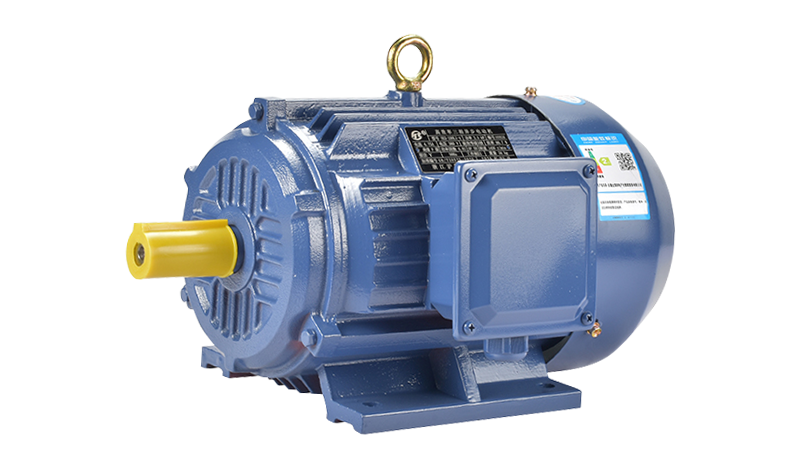
Industrial automation is changing how factories control pumps, fans, compressors, and material handling equipment. Instead of operating at one fixed speed, many machines now adjust motor speed according to production demand. This creates opportunities for more flexible operation, but it also introduces new requirements for motor selection. A High Efficiency Three Phase Electric Motor used with a variable frequency drive (VFD) must be suitable for both the electrical output of the drive and the mechanical demands of the application. For equipment manufacturers and industrial buyers, understanding this relationship can help prevent compatibility problems and support more efficient system operation.
Motor and Drive Selection Should Be Considered Together
A variable frequency drive changes the frequency and voltage supplied to a motor to control its speed. However, not every standard motor is automatically suitable for every variable-speed application.
Before purchasing, engineers should check the motor's rated voltage, frequency, current, insulation system, and intended operating range. The drive's output characteristics and the application's load profile should also be considered.
For example, a pump operating under changing flow demand may have different speed requirements from a conveyor that needs relatively consistent torque across its working range. Selecting the motor and drive as a coordinated system helps ensure that both components suit the actual equipment requirements.
Low-Speed Operation Can Affect Motor Cooling
One issue that deserves attention is heat dissipation at reduced speeds. Many conventional three-phase motors use shaft-mounted fans, meaning cooling airflow changes with motor speed.
When a motor operates continuously at a low speed under a substantial load, its cooling capacity may decrease. This can lead to higher operating temperatures if the motor's thermal design is not suitable for the application.
Buyers should therefore discuss the expected speed range and load conditions with the manufacturer. Depending on the application, a suitable cooling arrangement or an independently powered ventilation system may need to be considered.
Understand Constant Torque and Variable Torque Loads
Different industrial machines place different demands on a motor. Fans and centrifugal pumps generally have variable-torque characteristics, while conveyors, mixers, and certain processing machines may require more consistent torque across their operating range.
This distinction influences motor selection and drive configuration. Engineers should identify whether the equipment requires constant torque, variable torque, frequent acceleration, or repeated stopping and starting.
A motor selected only according to its rated power may not provide the expected performance if the actual torque requirements have not been considered. Clear application information helps manufacturers recommend a more appropriate configuration.
Pay Attention to Electrical Insulation Requirements
VFD operation can expose motor windings to electrical stresses that differ from those associated with a conventional fixed-frequency power supply. The characteristics of the drive output, cable length, grounding arrangement, and motor insulation system can all influence the electrical environment.
For applications involving long motor cables or specific drive configurations, engineers may need to evaluate voltage spikes and other electrical effects. Suitable insulation arrangements and additional system components should be considered according to the drive manufacturer's recommendations and the motor's design.
These details are especially relevant for industrial installations where equipment operates frequently or under demanding conditions.
Installation Quality Influences Variable-Speed Performance
Even a properly selected motor may encounter problems if the installation is not suitable. Cable routing, grounding, alignment, ventilation, and drive parameter settings all contribute to the operation of the complete system.
Before commissioning, installation teams should review:
- Motor and drive nameplate compatibility
- Correct electrical connections and grounding
- Cable selection and routing
- Drive acceleration and deceleration settings
- Motor cooling and ventilation conditions
- Mechanical alignment and load connection
Following the relevant manufacturer instructions helps reduce avoidable installation problems and makes commissioning more systematic.
Maintenance Needs to Reflect Operating Conditions
Variable-speed operation can create different maintenance demands depending on the application. Frequent speed changes, low-speed operation, and repeated acceleration may influence bearing conditions, thermal performance, and overall mechanical stress.
Maintenance teams should monitor unusual vibration, bearing noise, temperature changes, and signs of ventilation problems. For certain applications, engineers may also need to evaluate bearing protection or insulation arrangements based on the motor and drive combination.
A maintenance schedule should reflect actual operating conditions rather than relying only on a fixed calendar interval.
Discuss the Complete Application With Your Motor Manufacturer
A suitable motor-drive combination depends on more than nominal power and efficiency ratings. Speed range, torque characteristics, cooling capacity, electrical insulation, and installation conditions all need to be considered together. As a manufacturer of High Efficiency Three Phase Electric Motor products, we encourage overseas buyers to provide detailed application information when requesting a quotation. This allows the motor configuration to be evaluated against the intended drive system and operating environment. For industrial equipment manufacturers, distributors, and plant operators, choosing a motor based on complete system requirements can support more stable operation and better energy management throughout the equipment's service life.

-
Feedback
Related products
PRODUCT
KEEP IN TOUCH
Copyright © Zhejiang Hute Motor Co., Ltd. All Rights Reserved.
Electric Motor in China
 浙ICP备2023016719号-1