


 English
 русский
 Español
 عربى
عربى
Author: Admin Date: 2026-02-25
Is Motor Upgrading Driving a New Wave of Industrial Efficiency?
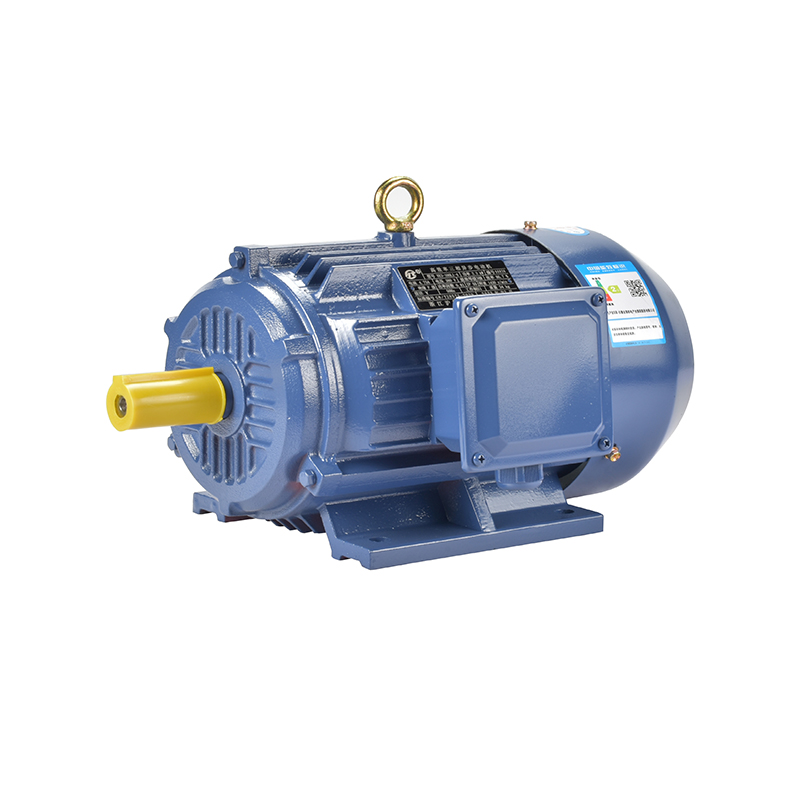
Across global industrial markets, equipment upgrading has become a steady topic of discussion rather than a short-term initiative. Manufacturers, system integrators, and facility managers are actively sharing experiences about replacing older motors with more efficient alternatives to support stable operations. In many of these conversations, the High Efficiency Three Phase Electric Motor is frequently highlighted for its balanced performance, while the Second Class Energy Efficient Motor is often seen as a practical choice for gradual system improvements.
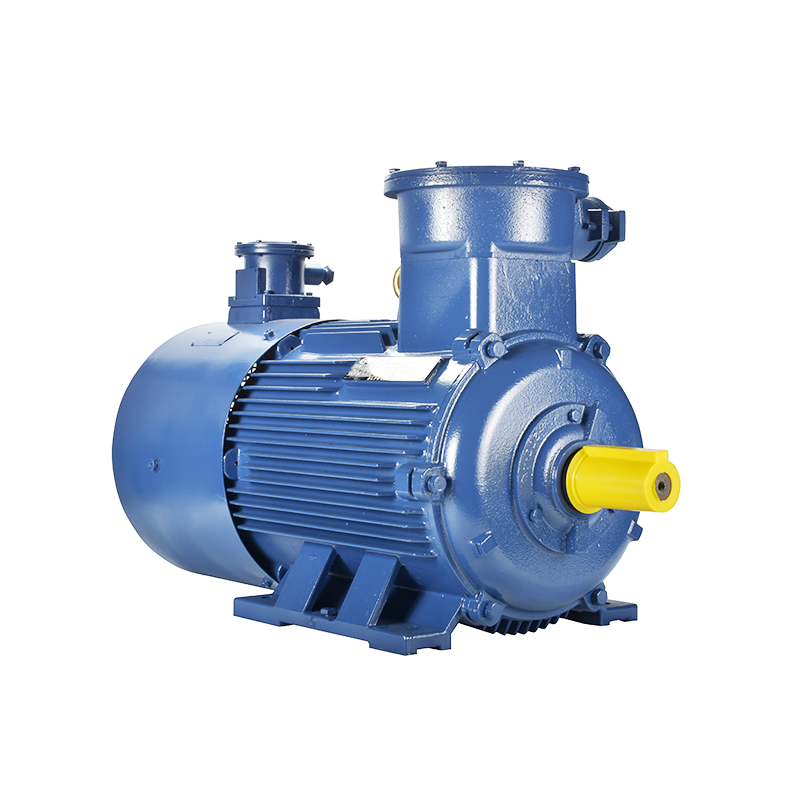
Equipment Renewal Is Becoming a Long-Term Strategy
Instead of large-scale replacements, many overseas buyers now prefer phased equipment upgrades. This approach allows facilities to improve performance without disrupting existing workflows. Motors are often among the first components considered, as they play a central role in driving pumps, fans, compressors, and other core systems.
Social media discussions and professional forums reflect this mindset, with users focusing on compatibility, installation familiarity, and predictable operation rather than dramatic changes to system architecture.
Why Efficiency Matters Beyond Energy Discussions
While efficiency is commonly associated with reduced energy use, buyers increasingly view it as a sign of overall motor quality. Stable current control, smooth startup behavior, and consistent output are often mentioned as practical benefits in real operating environments.
From a manufacturer’s perspective, these qualities are closely linked to design precision and production discipline. Efficiency is not achieved through a single feature but through the coordination of materials, structure, and assembly processes.
Three Phase Motors in Modern Industrial Systems
Three phase motors continue to serve as the backbone of many industrial applications due to their reliability and adaptability. Engineers often discuss how these motors support continuous operation and handle variable loads more smoothly than alternative configurations.
Manufacturing consistency plays a major role here. When motors are produced with controlled tolerances and standardized processes, users experience fewer operational surprises during long-term use—an advantage frequently highlighted in buyer feedback.
The Practical Appeal of Second Class Energy Efficient Motors
Second class energy efficient motors are often selected for projects that prioritize smooth transitions rather than full system redesigns. Overseas buyers commonly view them as a balanced solution that aligns with existing equipment while offering measurable performance improvements.
In online discussions, users frequently emphasize ease of replacement and operational familiarity. These factors demonstrate why motors that integrate seamlessly into current setups remain in high demand.
Key Considerations Shared by Global Buyers
Based on ongoing market communication, several selection criteria consistently appear in purchasing discussions:
- Reliability under extended operating hours
- Stable performance across different working conditions
- Consistency between sample and mass production
- Technical support from the manufacturing side
These points reflect a growing expectation that manufacturers provide more than just products—they provide continuity and understanding.
Manufacturing Capability as a Decision Factor
As a dedicated manufacturer, we recognize that buyers increasingly evaluate factory capability alongside product specifications. In-house control over core processes allows for better quality consistency and quicker response to application-specific requirements.
This manufacturing transparency builds confidence among overseas partners who value long-term cooperation and dependable supply relationships.
Supporting Future-Oriented Industrial Operations
Industrial systems continue to evolve, but the demand for dependable motor solutions remains constant. Buyers are looking for motors that can support present needs while remaining adaptable to future adjustments.
By focusing on production stability and application-oriented design, manufacturers can better support this evolution. As global industries continue upgrading step by step, solutions such as the Second Class Energy Efficient Motor naturally complement reliable options like the High Efficiency Three Phase Electric Motor, forming a solid foundation for efficient and sustainable industrial operations.

-
Feedback
Related products
PRODUCT
KEEP IN TOUCH
Copyright © Zhejiang Hute Motor Co., Ltd. All Rights Reserved.
Electric Motor in China
 浙ICP备2023016719号-1