


 English
 русский
 Español
 عربى
عربى
Author: Admin Date: 2026-02-20
Are Energy-Efficient Motors Becoming the New Industrial Standard?
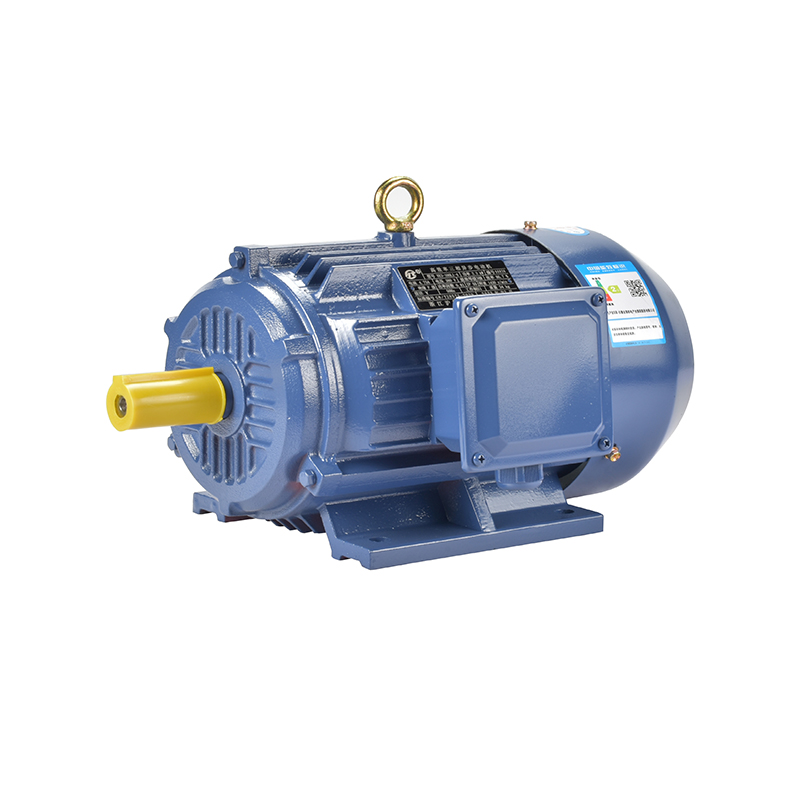
As global industries continue to pursue stable operation and smarter energy use, electric motors are receiving renewed attention across manufacturing, infrastructure, and automation sectors. Discussions on overseas professional forums and industrial social channels increasingly focus on motor efficiency, reliability, and long-term operating value. In this environment, the High Efficiency Three Phase Electric Motor has become a frequent topic among engineers and procurement teams, while interest in the practical performance of the Second Class Energy Efficient Motor remains strong for a wide range of applications.
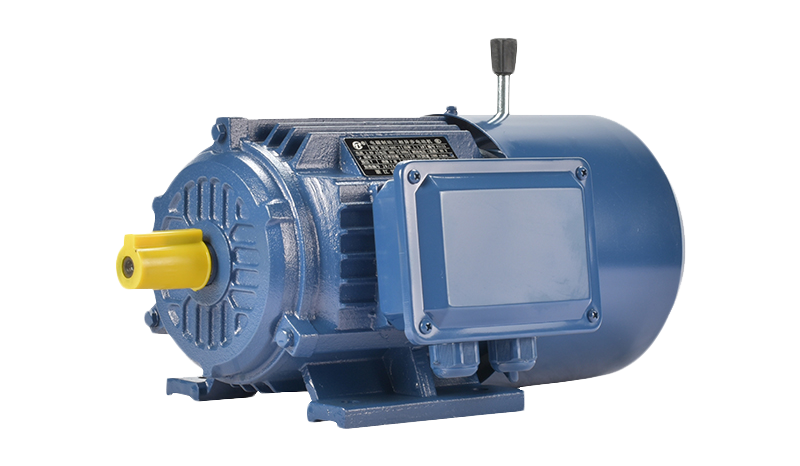
Growing Awareness of Motor Efficiency in Daily Operations
Rather than viewing motors as interchangeable components, global buyers are now evaluating how motor performance affects overall system stability. Online conversations often highlight real operating conditions, such as continuous workloads, variable environments, and maintenance expectations.
This shift shows that efficiency is no longer just a specification on paper. It is increasingly associated with smoother operation, predictable performance, and better alignment with modern industrial workflows.
Why Three Phase Motors Remain a Core Choice
Three phase electric motors continue to be widely adopted due to their balanced power delivery and suitability for industrial environments. Users frequently discuss how these motors support consistent torque and stable output across different load conditions.
From a manufacturing perspective, achieving this stability depends on precise design, controlled assembly, and material consistency. These aspects directly influence how a motor performs over time, which is why buyers are paying closer attention to production quality rather than focusing solely on initial cost.
Understanding the Role of Second Class Energy Efficient Motors
Second class energy efficient motors are often chosen for projects that require a balance between efficiency improvement and practical investment. Many overseas buyers see them as a sensible upgrade path when replacing conventional motors without redesigning entire systems.
In online discussions, users often emphasize compatibility, ease of integration, and operational familiarity. This highlights the importance of motors that can deliver improved efficiency while fitting seamlessly into existing installations.
What Engineers and Buyers Commonly Evaluate
Based on market feedback and social media discussions, several considerations frequently guide motor selection decisions:
- Stable performance under continuous operation
- Consistent manufacturing quality across batches
- Compatibility with standard industrial equipment
- Reduced maintenance concerns during long-term use
These points reflect a growing preference for motors that support operational continuity rather than short-term optimization alone.
Manufacturing Expertise Behind Reliable Motor Performance
As a dedicated motor manufacturer, we understand that efficiency and reliability are built through disciplined production processes. From core lamination and winding to final testing, each stage plays a role in ensuring dependable output.
In-house manufacturing allows us to refine designs based on real application feedback and evolving industry needs. This capability is especially valued by overseas customers who seek long-term supply partners with technical understanding, not just product availability.
Energy Efficiency as Part of a Broader Industrial Trend
Energy-conscious decision-making is becoming part of standard industrial planning rather than a separate initiative. Motors that offer improved efficiency are increasingly viewed as contributors to operational consistency and system optimization.
This perspective aligns with global conversations about responsible manufacturing and smarter resource use, where practical improvements are favored over disruptive changes.
Practical Efficiency with Manufacturing Support
From our position in the industry, we see continued demand for motors that balance efficiency, durability, and adaptability. Buyers are not only comparing specifications but also evaluating the manufacturing strength behind each product.
By focusing on controlled production, application-oriented design, and consistent quality, manufacturers can better support evolving industrial needs. As global markets continue to advance, solutions such as the Second Class Energy Efficient Motor will remain relevant alongside dependable options like the High Efficiency Three Phase Electric Motor, supporting stable and efficient industrial operations worldwide.

-
Feedback
Related products
PRODUCT
KEEP IN TOUCH
Copyright © Zhejiang Hute Motor Co., Ltd. All Rights Reserved.
Electric Motor in China
 浙ICP备2023016719号-1