


 English
 русский
 Español
 عربى
عربى
Author: Admin Date: 2026-02-13
Are Smarter Energy Motors Becoming the New Industrial Baseline?
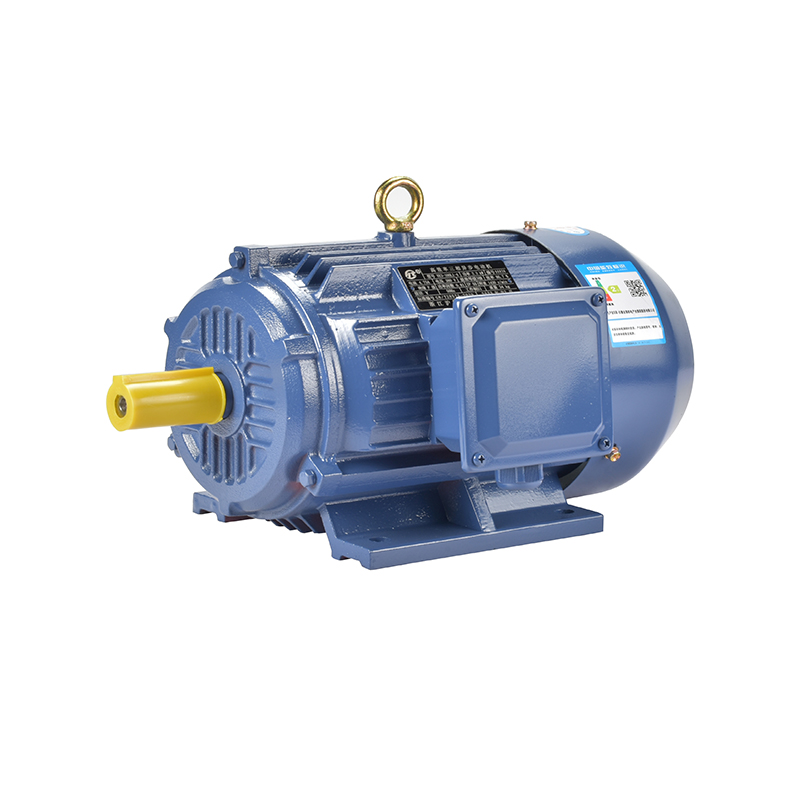
Across global manufacturing communities, conversations around motor selection are becoming more strategic than ever. Engineers, plant managers, and procurement teams are no longer asking only whether a motor can run equipment—they are asking how efficiently it supports long-term operations. In this context, the High Efficiency Three Phase Electric Motor is increasingly discussed as a reliable foundation for modern industrial systems, especially as companies reassess energy usage, operational stability, and equipment lifecycle planning.
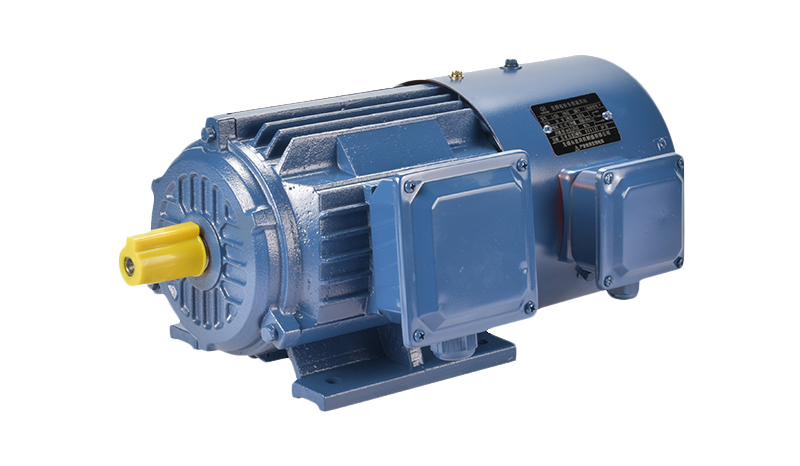
Global Attention Shifts Toward Operational Efficiency
On overseas social platforms such as LinkedIn groups, industry blogs, and technical forums, one theme appears repeatedly: efficiency must be practical, not theoretical. Users want motors that align with real operating conditions rather than laboratory-only performance.
Common discussion drivers include:
- Rising awareness of energy optimization in daily operations
- Pressure to reduce unnecessary power loss without altering existing systems
- Preference for proven motor structures with incremental efficiency improvements
These trends suggest that energy efficiency has become an expectation rather than a premium feature.
The Continued Relevance of Three Phase Motor Design
Despite rapid innovation, the three phase motor remains a cornerstone of industrial power systems. Its ability to deliver consistent torque and stable operation makes it suitable for a wide range of equipment.
Typical use cases include:
- Industrial processing machinery
- Material handling systems
- Pumps, mixers, and compressors
- Automated production lines
By refining efficiency within this familiar design, manufacturers help users upgrade performance while maintaining system compatibility.
How Second Class Efficiency Fits Real Applications
In many overseas discussions, second class efficiency is viewed as a sensible midpoint. Rather than aiming for extreme efficiency levels that may require system adjustments, buyers often choose motors that integrate easily into existing setups.
A Second Class Energy Efficient Motor is frequently selected for:
- Facilities operating equipment for long daily cycles
- Projects where efficiency gains must align with budget planning
- Applications requiring predictable thermal and electrical behavior
This approach reflects a broader industry mindset focused on usability and consistency.
Manufacturing Quality as a Trust Signal
Beyond efficiency labels, overseas buyers want confidence in how motors are made. Production transparency and process control are often discussed alongside technical specifications.
Key manufacturer responsibilities include:
- Consistent raw material sourcing
- Controlled production and assembly processes
- Functional testing aligned with usage expectations
- Packaging designed for international transport
These factors help buyers evaluate long-term value, not just short-term performance.
Social Media’s Role in Technical Decision-Making
Industrial buyers increasingly rely on shared experiences. Online discussions now influence motor selection just as much as datasheets.
Frequently shared topics include:
- Energy behavior under continuous load
- Installation feedback from real projects
- Maintenance observations over extended use
Such peer-driven insights reinforce demand for motors that deliver balanced efficiency and dependable operation.
A Balanced View of Energy Performance
Efficiency alone does not define value. Overseas users consistently emphasize the importance of harmony between performance, durability, and operational cost. Motors that achieve this balance tend to gain wider acceptance across industries.
This is where practical efficiency classifications play a meaningful role, supporting gradual improvements without complicating system design.
Supporting Long-Term Industrial Energy Goals
As industries worldwide refine their approach to energy management, motor selection remains a key consideration. The ongoing relevance of the High Efficiency Three Phase Electric Motor highlights the industry’s preference for dependable solutions, while the Second Class Energy Efficient Motor continues to meet market demand for realistic, application-focused efficiency that supports sustainable and stable industrial operations.

-
Feedback
Related products
PRODUCT
KEEP IN TOUCH
Copyright © Zhejiang Hute Motor Co., Ltd. All Rights Reserved.
Electric Motor in China
 浙ICP备2023016719号-1