


 English
 русский
 Español
 عربى
عربى
Author: Admin Date: 2026-02-06
Is Energy Efficiency Redefining Industrial Motor Selection Worldwide?
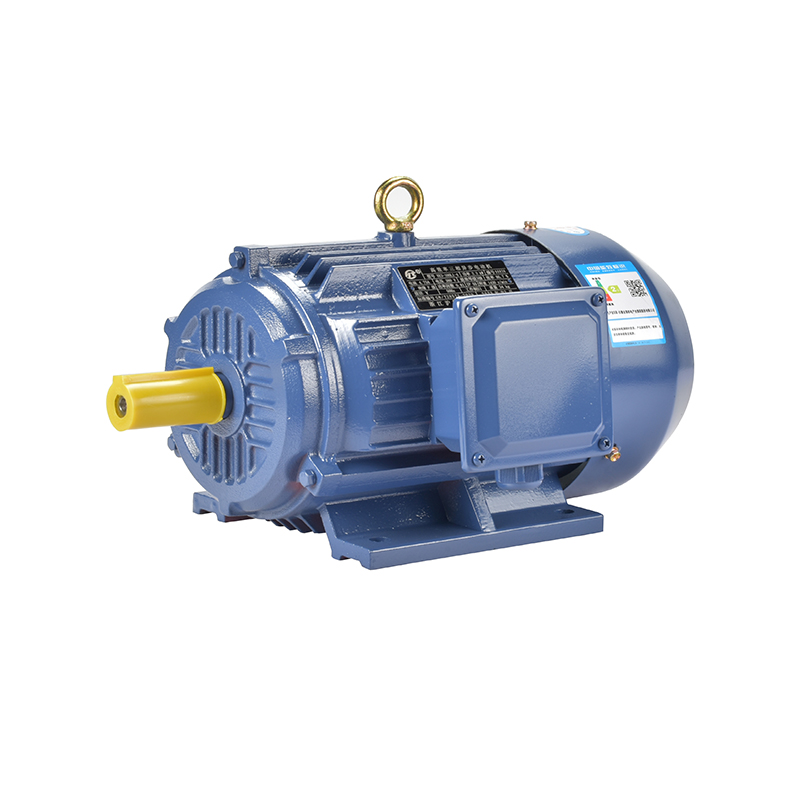
In global industrial discussions, energy efficiency is no longer viewed as a technical bonus—it has become a core purchasing factor. Across LinkedIn, industry forums, and manufacturing-focused media, engineers and procurement teams are actively comparing lifecycle performance rather than upfront specifications alone. Within this trend, the High Efficiency Three Phase Electric Motor is frequently highlighted as a practical response to rising energy awareness, operational stability needs, and long-term cost control in industrial environments.
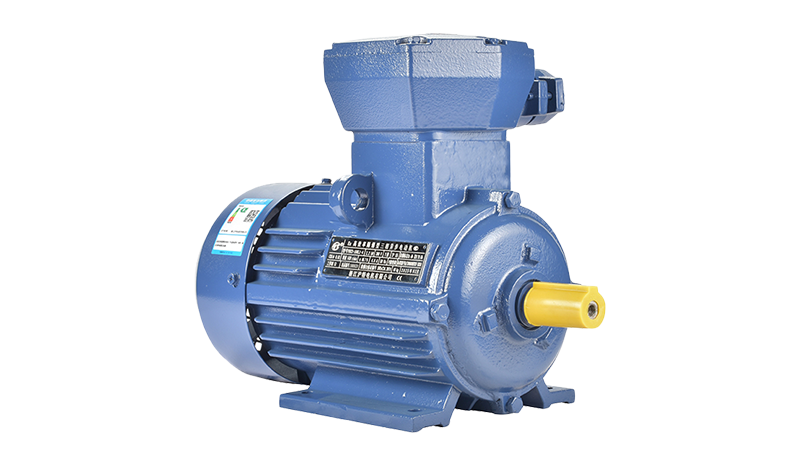
Energy Efficiency as a Global Industrial Topic
Overseas markets are paying close attention to how electric motors contribute to overall system efficiency. Rather than focusing on isolated components, buyers are evaluating how motors affect entire production lines.
Key discussion points often include:
- How energy-efficient motors support sustainable manufacturing goals
- The balance between efficiency level and application suitability
- Long-term operational consistency under varying load conditions
These conversations show a shift from short-term cost thinking to long-term operational planning.
Why Three Phase Motors Remain an Industry Standard
Three phase electric motors continue to dominate industrial applications due to their structural advantages and operational stability. Their design supports smoother torque delivery and reliable performance in demanding environments.
Common application areas include:
- Pumps and compressors
- Conveyor systems
- Industrial fans and blowers
- General-purpose manufacturing equipment
From a manufacturer’s perspective, optimizing efficiency within this established motor category allows users to upgrade performance without changing system architecture.
Understanding Second Class Energy Efficiency in Practice
The concept of second class energy efficiency is often discussed in overseas markets as a balanced option—offering improved efficiency without requiring complex system redesigns.
A Second Class Energy Efficient Motor is commonly chosen when:
- Equipment operates for extended daily hours
- Energy consumption needs to be managed predictably
- Reliability is prioritized alongside efficiency
Rather than focusing on theoretical extremes, many buyers appreciate this efficiency level as a practical, widely compatible solution.
As a manufacturer, we see overseas buyers paying close attention to production consistency. Beyond efficiency classification, they want assurance that motors perform reliably across batches and over time.
Core manufacturing considerations include:
- Standardized material selection
- Controlled winding and assembly processes
- Performance verification before shipment
- Packaging suited for long-distance logistics
Clear documentation and transparent manufacturing practices contribute significantly to buyer confidence in international markets.
Social Media Influence on Industrial Purchasing
Unlike the past, industrial motor decisions are now influenced by peer discussions online. Engineers share operational feedback, while buyers exchange insights about efficiency expectations and maintenance experience.
Popular content themes include:
- Energy-saving comparisons in real applications
- Installation and commissioning experiences
- Maintenance simplicity and service life expectations
This shared knowledge environment encourages informed, efficiency-driven purchasing behavior.
Balancing Performance, Cost, and Efficiency
While efficiency is critical, overseas buyers consistently emphasize balance. Motors must align with actual operating conditions rather than theoretical maximums. This is why many applications favor solutions that deliver dependable performance, reasonable efficiency improvement, and broad compatibility.
From our experience, this balance is where second class efficiency solutions often stand out.
A Practical Path Toward Efficient Industrial Operations
As global industries continue refining their energy strategies, electric motors remain a focal point of improvement. The steady demand for the High Efficiency Three Phase Electric Motor reflects a growing preference for dependable, application-oriented solutions, while the Second Class Energy Efficient Motor continues to serve as a practical choice for manufacturers seeking measurable efficiency gains without operational disruption.

-
Feedback
Related products
PRODUCT
KEEP IN TOUCH
Copyright © Zhejiang Hute Motor Co., Ltd. All Rights Reserved.
Electric Motor in China
 浙ICP备2023016719号-1