


 English
 русский
 Español
 عربى
عربى
Author: Admin Date: 2026-01-29
How Are Energy-Efficient Motors Reshaping Industrial Supply Chains?
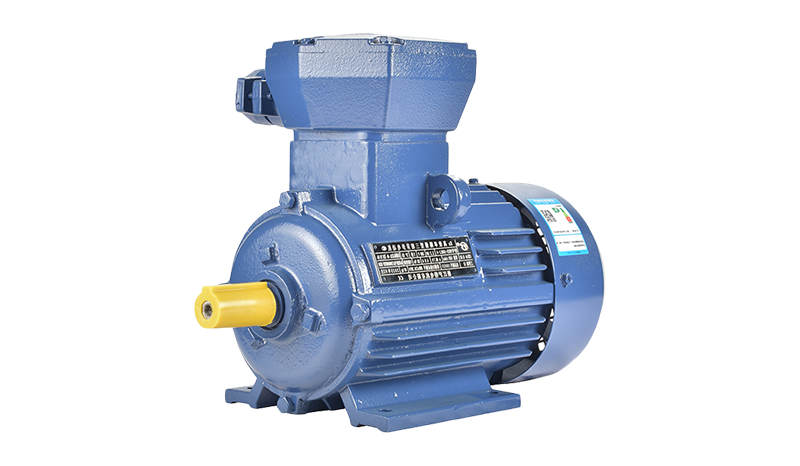
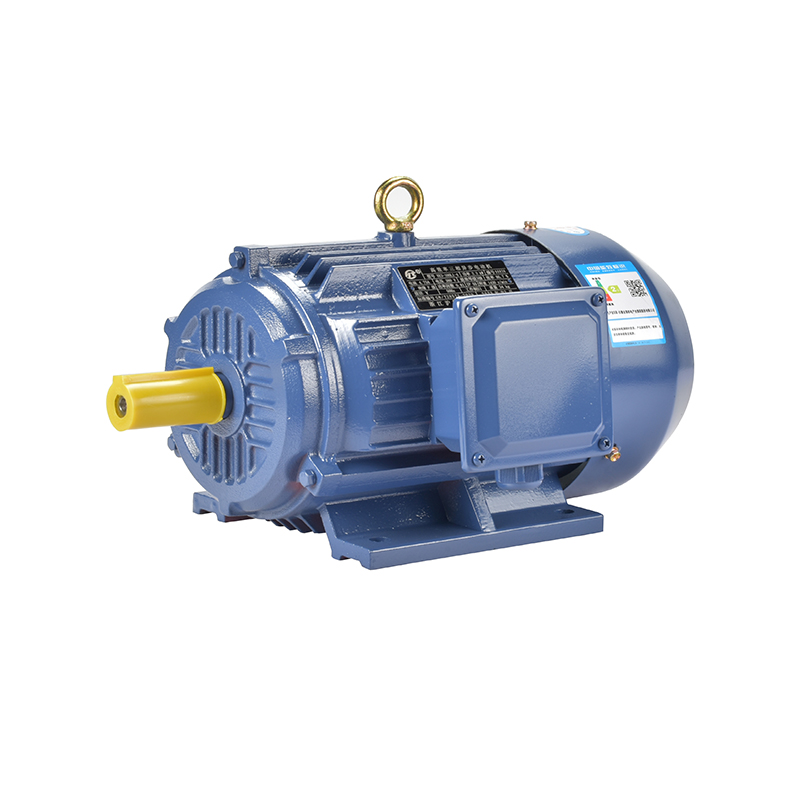
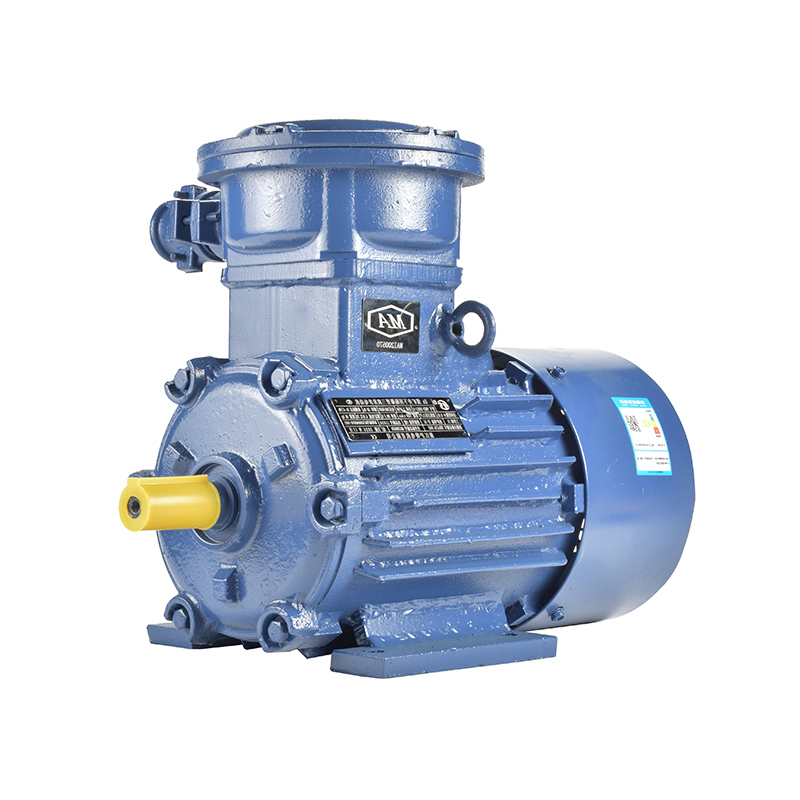
As global manufacturing continues to adapt to rising energy awareness and supply chain optimization, motor selection has become a strategic decision rather than a routine purchase. In overseas industrial discussions, the Second Class Energy Efficient Motor is frequently referenced as a practical balance between performance and energy responsibility, while the Aluminum Shell Motor is valued for its structural advantages and adaptability across diverse applications. Together, these products are influencing how international buyers plan long-term equipment sourcing.
Supply Chain Stability Matters More Than Ever
Recent conversations across global B2B platforms highlight one recurring concern: supply chain reliability. Manufacturers want motors that are not only efficient but also consistently available, easy to integrate, and supported by stable production processes. Second-class energy-efficient motors meet this expectation by offering standardized performance with flexible configuration options, helping buyers reduce uncertainty in multi-region projects.
Lightweight Design Supports Global Logistics
Transportation efficiency has become a hidden but important factor in equipment sourcing. Aluminum shell motors offer clear advantages in this area. Their reduced weight lowers shipping costs and simplifies handling during cross-border logistics. For overseas buyers managing large-scale installations or frequent replenishment, this translates into smoother project execution and fewer logistical challenges.
Adapting to Different Power Environments
International projects often involve varied voltage standards, ambient temperatures, and operating conditions. Engineers increasingly favor motors that demonstrate stable performance across these variables. Second-class energy-efficient motors are commonly selected for their consistent output and predictable behavior under different loads. Combined with aluminum housing that supports heat dissipation, these motors adapt well to both industrial and semi-industrial environments.
Supporting Equipment Manufacturers and OEMs
OEM customers are actively seeking motor solutions that align with their product positioning. Aluminum shell motors are especially attractive to equipment manufacturers aiming to reduce overall machine weight while maintaining structural integrity. When paired with energy-efficient motor designs, OEMs can enhance the competitiveness of their machines without redesigning entire systems, a topic frequently discussed in overseas manufacturing forums.
Versatility Across Multiple Industrial Segments
One of the strongest advantages highlighted by global buyers is versatility. These motors are widely used in conveyor systems, ventilation equipment, light processing machinery, and auxiliary industrial units. Their compatibility with standard mounting systems and ease of maintenance allow them to serve multiple industries, making them a practical choice for distributors and system integrators.
Maintenance Considerations in Long-Term Operation
Maintenance efficiency remains a key concern for international customers. Aluminum shell motors resist corrosion and support stable thermal management, which can contribute to smoother long-term operation. Buyers appreciate motor designs that reduce downtime and simplify routine inspection, especially in facilities operating continuously or in regions with limited technical support resources.
Aligning with Global Energy Awareness
Energy efficiency is no longer just a regulatory topic; it has become part of brand perception. Companies increasingly prefer components that support responsible energy use. Second-class energy-efficient motors offer a realistic approach, helping businesses align with global energy awareness trends without significantly increasing system complexity or cost considerations.
What Overseas Buyers Look for in Motor Suppliers
Beyond the motor itself, buyers pay attention to manufacturing transparency, technical support, and communication efficiency. Suppliers that can explain application matching, provide stable specifications, and support customization requests tend to build stronger international relationships. Aluminum shell motor production backed by consistent quality control helps reinforce supplier credibility in competitive markets.
Preparing for Smarter Industrial Decisions
As industrial systems evolve, the combination of the Second Class Energy Efficient Motor and Aluminum Shell Motor reflects a broader shift toward practical efficiency, adaptable design, and supply chain reliability. These motors support modern manufacturing goals by offering dependable performance, logistical advantages, and flexible application potential—qualities that resonate strongly with today’s global buyers.

-
Feedback
Related products
PRODUCT
KEEP IN TOUCH
Copyright © Zhejiang Hute Motor Co., Ltd. All Rights Reserved.
Electric Motor in China
 浙ICP备2023016719号-1