


 English
 русский
 Español
 عربى
عربى
Author: Admin Date: 2026-03-25
Are You Choosing a Motor That Matches Tomorrow’s Industrial Demands?
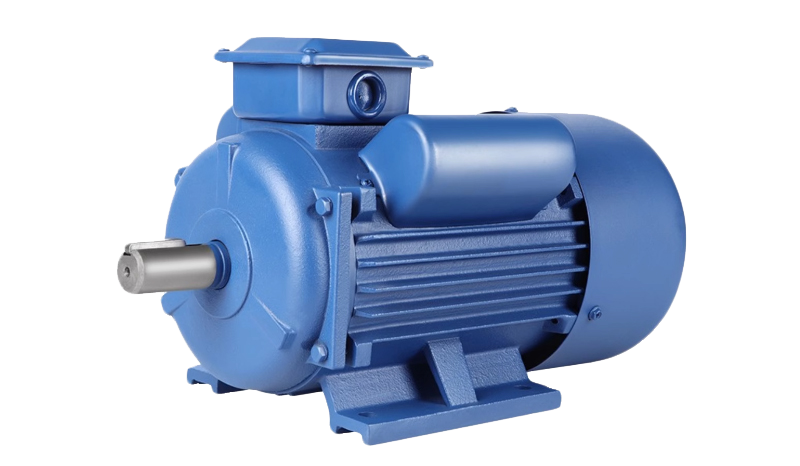
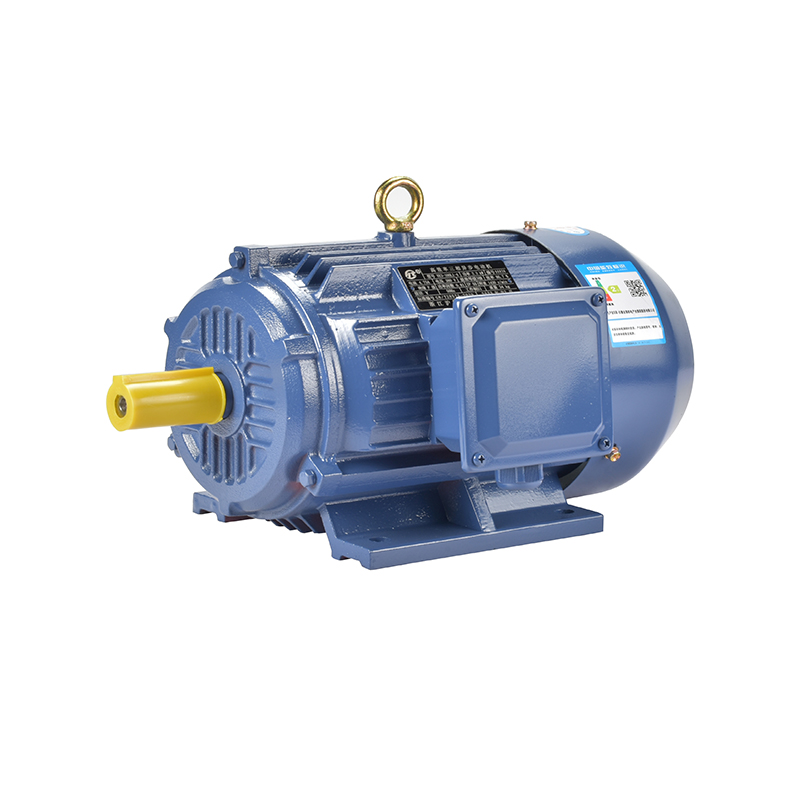
As global industries accelerate automation and prioritize sustainable growth, the criteria for selecting electric motors have evolved significantly. Engineers and procurement teams are no longer focused solely on power output; they are evaluating long-term efficiency, structural durability, and adaptability to modern production systems. In this context, a carefully engineered Second Class Energy Efficient Motor integrated within a durable Aluminum Shell Motor framework offers a balanced and forward-looking solution. Across trade shows, professional forums, and international B2B platforms, conversations increasingly highlight the need for motors that combine energy awareness with mechanical reliability.
The Expanding Role of Energy-Conscious Engineering
Energy efficiency has become a strategic focus for manufacturing facilities and infrastructure projects worldwide. Motors operate continuously in many industrial systems, meaning even moderate efficiency improvements can influence operational consistency and energy planning. A second class energy efficient motor is designed to optimize electromagnetic performance, reduce unnecessary energy dissipation, and maintain stable torque under variable loads.
Rather than treating energy efficiency as a regulatory requirement, modern companies view it as a competitive advantage. Efficient motors support smoother daily operations, enhance equipment reliability, and align with global sustainability initiatives that are shaping procurement decisions across markets.
Aluminum Housing: A Modern Structural Advantage
Motor housing technology has also progressed in response to evolving industrial needs. An Aluminum Shell Motor offers distinct practical benefits, including lighter structural weight and effective heat management. Lightweight construction simplifies installation, especially in compact machinery or elevated mounting systems where load reduction matters.
Thermal control is equally critical. Aluminum naturally supports heat dissipation, helping maintain balanced internal temperatures during continuous operation. Stable thermal conditions reduce stress on insulation systems and rotating components, contributing to longer operational lifespan and reduced maintenance frequency.
Performance Stability Across Applications
From water treatment systems and food processing lines to textile machinery and ventilation equipment, industrial motors operate in diverse environments. Reliability under varying duty cycles and environmental conditions is essential.
A second class energy efficient motor provides consistent speed regulation and dependable torque delivery, ensuring equipment maintains productivity without excessive power draw. When paired with corrosion-resistant aluminum housing, the motor becomes suitable for applications exposed to humidity, moderate vibration, or fluctuating temperatures.
Manufacturing Discipline and Technical Expertise
As an experienced motor manufacturer, we recognize that durability and efficiency begin with production precision. Our engineering process incorporates:
- Careful raw material selection for electromagnetic and structural stability
- Precision rotor balancing to minimize vibration
- Accurate machining of aluminum housings for dimensional consistency
- Multi-stage electrical and mechanical testing prior to shipment
This integrated manufacturing approach ensures each motor meets stable performance standards and supports long-term reliability for international clients.
Supporting OEM Development Strategies
OEMs are under pressure to design machinery that is compact, efficient, and adaptable. Integrating a lightweight aluminum shell motor helps optimize equipment layout while maintaining dependable power transmission. Energy-efficient motor design enhances the value proposition of finished machinery, making it more attractive in competitive global markets.
Close collaboration between manufacturer and OEM partner ensures technical compatibility, flexible customization options, and steady supply chain coordination. These factors strengthen long-term business relationships and support continuous product innovation.
Aligning with Global Industrial Trends
Sustainability, operational efficiency, and durability remain at the forefront of industrial investment decisions. Buyers increasingly seek motors that reflect responsible engineering without compromising functionality. By choosing a Second Class Energy Efficient Motor built within a robust Aluminum Shell Motor structure, companies demonstrate commitment to energy management, structural integrity, and future-ready industrial performance.
As industries continue to modernize, selecting advanced motor solutions that balance efficiency and resilience will remain essential for maintaining competitiveness and achieving sustainable operational growth.

-
Feedback
Related products
PRODUCT
KEEP IN TOUCH
Copyright © Zhejiang Hute Motor Co., Ltd. All Rights Reserved.
Electric Motor in China
 浙ICP备2023016719号-1