


 English
 русский
 Español
 عربى
عربى
Author: Admin Date: 2026-04-03
Are Energy-Efficient Motors Reshaping the Future of Industrial Power Systems?
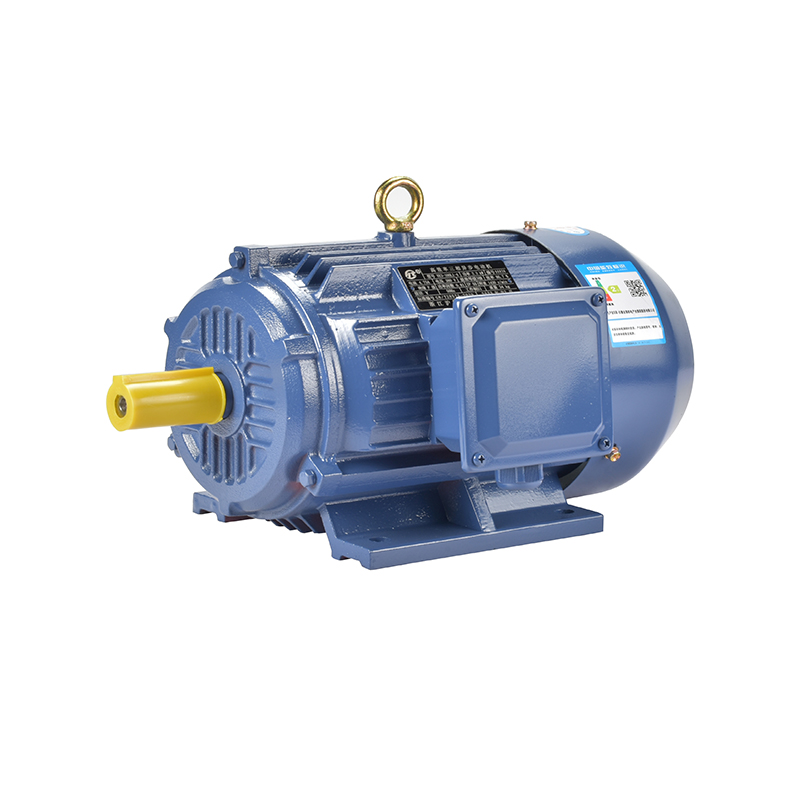
As industries worldwide accelerate their transition toward smarter and more sustainable operations, the demand for advanced motor technology continues to grow. As a professional manufacturer of Three Phase Electric Motor, we are seeing a clear shift in buyer priorities—from basic functionality to energy efficiency, long-term reliability, and compliance with evolving international standards. This transformation is not only influencing purchasing decisions but also redefining how industrial systems are designed and optimized.
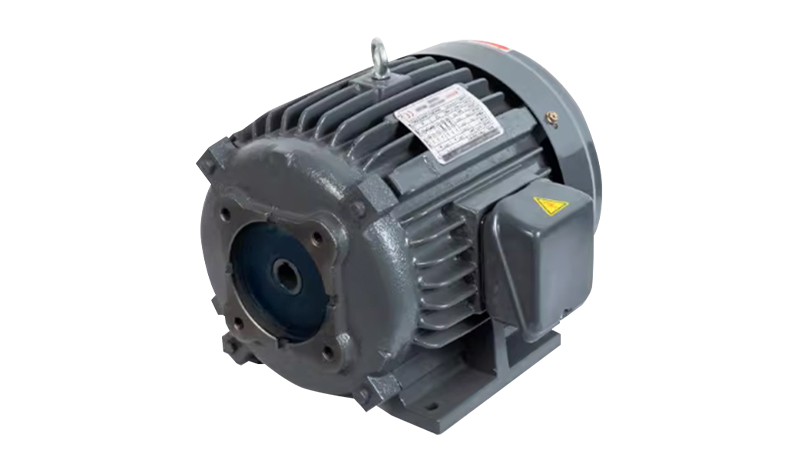
The Global Push Toward Energy Efficiency
Energy efficiency has become a central topic across industrial sectors, driven by rising energy costs and stricter environmental policies. Governments and organizations are encouraging the adoption of high-efficiency equipment to reduce overall power consumption.
Electric motors, being a major source of industrial energy use, are at the center of this shift. Buyers are increasingly looking for solutions that can deliver stable performance while minimizing energy loss. This trend is especially strong in manufacturing, HVAC systems, water treatment, and automation industries.
Policy Trends and Compliance Requirements
International efficiency standards are evolving, pushing manufacturers to continuously improve product performance. Markets in Europe, North America, and parts of Asia are adopting stricter regulations for motor efficiency classifications.
For buyers, this means selecting motors that meet local compliance requirements is no longer optional—it is essential. Manufacturers with a deep understanding of these standards are better positioned to support global clients and ensure smooth market entry.
Industrial Automation Is Driving Motor Innovation
The rapid growth of automation is another key factor shaping the motor industry. Smart factories and automated production lines require motors that offer precise control, consistent output, and compatibility with advanced control systems.
Modern electric motors must integrate seamlessly with variable frequency drives (VFDs) and digital monitoring systems. This integration allows for better energy management and predictive maintenance, helping businesses reduce downtime and improve operational efficiency.
What Buyers Look for in Modern Motors
Today’s industrial buyers are more informed and selective. When choosing electric motors, they often evaluate multiple factors beyond initial cost:
- Efficiency Level: Lower energy consumption over the product lifecycle
- Durability: Stable operation under continuous or demanding conditions
- Maintenance Requirements: Reduced need for frequent servicing
- Adaptability: Compatibility with different industrial applications
As a manufacturer, addressing these expectations requires a combination of engineering expertise and strict quality control throughout the production process.
Digital Influence and Market Awareness
Online platforms and industry forums are playing an increasing role in shaping buyer awareness. Engineers, procurement managers, and distributors are actively sharing insights, product reviews, and application experiences.
This transparency is raising the standard for manufacturers. Clear product specifications, reliable performance data, and responsive communication are becoming essential for building trust in international markets.
Manufacturing Excellence as a Core Advantage
From a production standpoint, consistency and precision are critical. Advanced manufacturing equipment, skilled engineering teams, and rigorous testing procedures ensure that each motor meets performance expectations.
Our approach as a manufacturer includes:
- Strict material selection to ensure durability
- Precision machining for stable operation
- Comprehensive testing before shipment
These practices help deliver products that perform reliably across various industrial environments.
Efficiency Meets Intelligent Design
Looking ahead, the evolution of industrial motors will continue to focus on improving efficiency while enhancing adaptability. The integration of smart technologies, combined with optimized motor design, will play a key role in supporting sustainable industrial growth.
For global buyers, investing in high-efficiency solutions is not just about reducing energy consumption—it is about building more resilient and future-ready systems. As demand continues to grow, products like First Class Energy Efficient Motor will become increasingly important in helping industries achieve both operational and environmental goals.

-
Feedback
Related products
PRODUCT
KEEP IN TOUCH
Copyright © Zhejiang Hute Motor Co., Ltd. All Rights Reserved.
Electric Motor in China
 浙ICP备2023016719号-1