


 English
 русский
 Español
 عربى
عربى
Author: Admin Date: 2026-03-13
Why Are Modern Industries Switching to Smarter Motor Solutions?
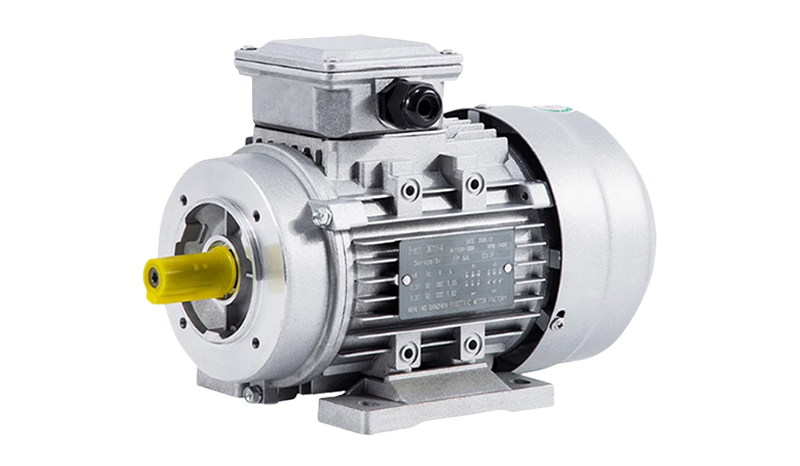
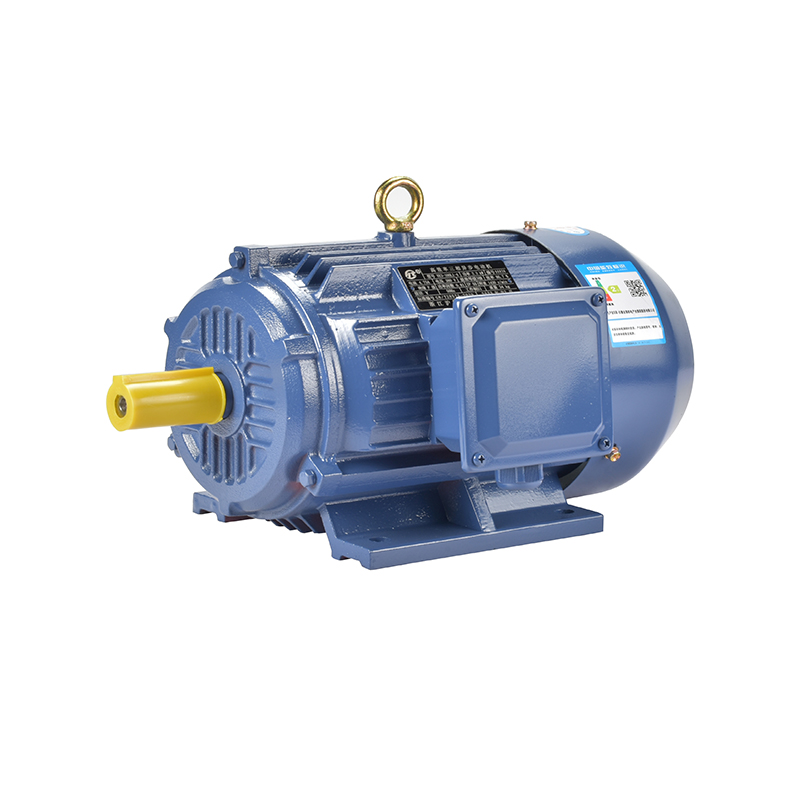
Across global manufacturing sectors, decision-makers are increasingly focused on energy optimization, equipment longevity, and sustainable operations. As energy discussions continue trending across professional networks and industrial exhibitions, businesses are reevaluating their motor systems to improve efficiency without sacrificing performance. In this context, a well-engineered Second Class Energy Efficient Motor combined with the structural advantages of an Aluminum Shell Motor has become a practical and forward-thinking choice. Rather than simply replacing outdated equipment, companies are strategically upgrading to motor technologies that align with long-term operational and environmental goals.
The Shift Toward Responsible Energy Consumption
Energy efficiency is no longer viewed as a secondary benefit; it is now central to industrial planning. Manufacturing facilities, agricultural systems, and HVAC installations depend heavily on electric motors, making them a key area for improvement. A second class energy efficient motor is designed to reduce energy waste while maintaining stable output and consistent torque.
By improving internal electromagnetic design and reducing mechanical losses, this type of motor helps facilities manage electricity consumption more effectively. For plant managers, this means smoother operations and better alignment with sustainability targets without disrupting productivity.
Lightweight Construction for Flexible Applications
The growing popularity of aluminum motor housings reflects industry demand for lighter and more adaptable equipment. An Aluminum Shell Motor offers practical advantages in both installation and performance. Its lighter weight simplifies transportation and mounting, especially in systems where structural load is a concern.
In addition, aluminum’s natural heat dissipation properties help maintain stable operating temperatures. Effective thermal management protects internal windings and bearings, contributing to longer service life and consistent efficiency under continuous operation.
Built for Diverse Industrial Environments
Modern industries require motors that perform reliably across varying conditions. From food processing facilities to water treatment plants and automated production lines, equipment must withstand temperature fluctuations, humidity, and continuous duty cycles.
A second class energy efficient motor offers dependable operation in such environments, ensuring stable speed and torque characteristics. Meanwhile, aluminum housing enhances corrosion resistance, making the motor suitable for applications exposed to moisture or outdoor conditions.
Manufacturer-Level Quality Control and Expertise
As a dedicated motor manufacturer, we understand that consistent performance begins with disciplined production processes. Our approach includes:
- Careful material selection to ensure structural integrity
- Precision stator winding and rotor balancing
- Strict dimensional accuracy in aluminum housing machining
- Multi-stage testing before final delivery
By controlling each manufacturing step internally, we maintain stable product quality and dependable output performance. This integrated approach supports long-term operational reliability for our global clients.
Meeting OEM Expectations for Stability and Scalability
OEMs and equipment integrators increasingly seek partners capable of delivering consistent motor solutions with scalable production capacity. A reliable supplier must provide not only quality products but also technical communication and responsive service.
Energy-efficient motor designs allow OEM customers to enhance the competitiveness of their own machinery. Lightweight aluminum housing supports compact equipment design, giving manufacturers greater flexibility when developing new product lines.
Aligning with Sustainability and Market Trends
Global conversations around energy efficiency and environmental responsibility continue to shape purchasing behavior. Businesses are choosing equipment that reflects both operational efficiency and corporate responsibility. Integrating a Second Class Energy Efficient Motor built within a durable Aluminum Shell Motor structure allows companies to modernize their systems while supporting long-term sustainability initiatives.
As industries continue to pursue smarter energy management and durable equipment solutions, advanced motor designs combining efficiency and lightweight engineering will remain central to achieving reliable, future-ready performance.

-
Feedback
Related products
PRODUCT
KEEP IN TOUCH
Copyright © Zhejiang Hute Motor Co., Ltd. All Rights Reserved.
Electric Motor in China
 浙ICP备2023016719号-1