


 English
 русский
 Español
 عربى
عربى
Author: Admin Date: 2026-05-01
How Are Modern Electric Motors Driving Efficiency and Sustainability in Industry?
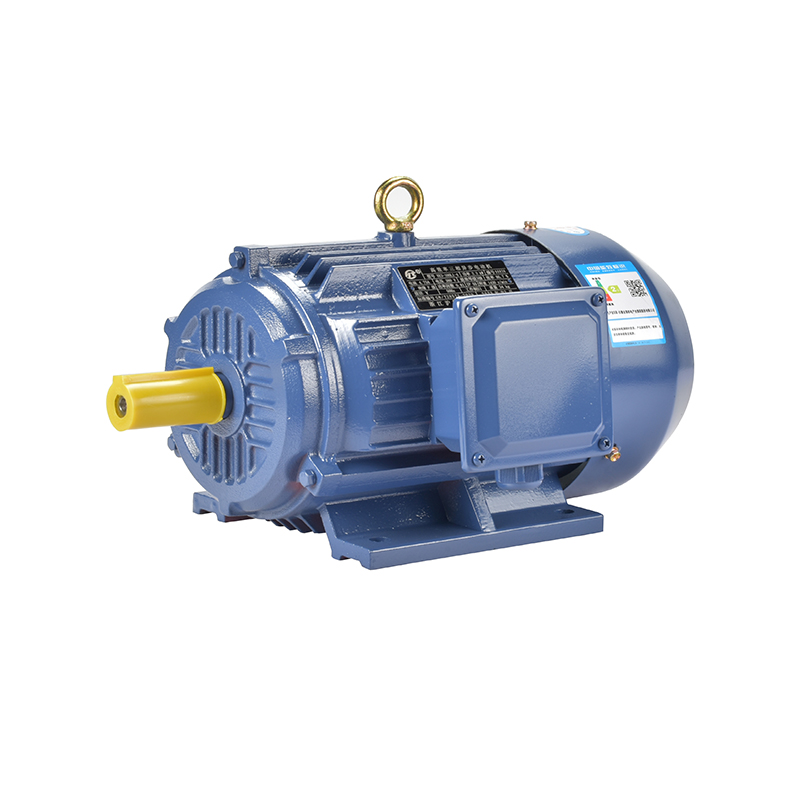
In the current industrial landscape, efficiency and sustainability have become central to operational success. As a professional Three Phase Electric Motor manufacturer, we are seeing increased demand for motors that deliver consistent performance while reducing energy consumption and environmental impact. Industrial buyers are now focused not just on cost, but on reliability, long-term energy savings, and compliance with international standards. High-performance electric motors are increasingly recognized as essential components for smart, sustainable industrial operations.
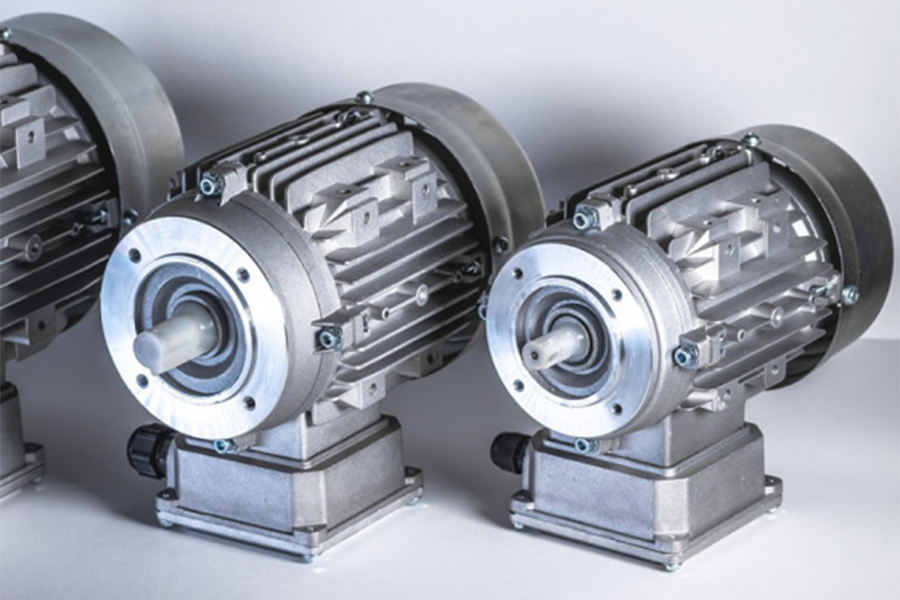
The Shift Toward Energy-Conscious Manufacturing
Industrial energy consumption represents a significant portion of operational costs, prompting businesses to seek solutions that optimize usage. High-efficiency motors are designed to minimize energy loss, providing measurable cost savings over their lifespan. This efficiency is especially critical in sectors such as manufacturing, HVAC, water treatment, and process industries. Companies that adopt energy-saving motors not only reduce operational costs but also meet growing expectations for corporate sustainability.
Global Efficiency Standards and Compliance
Compliance with international efficiency standards has become a key factor in motor selection. Certifications such as IE3 and IE4 indicate that a motor meets rigorous energy efficiency requirements. Buyers prioritize products that comply with regional and international regulations, ensuring operational reliability and legal adherence. Manufacturers who consistently meet these standards can provide clients with confidence in global market deployment and reduce the risk of penalties or operational interruptions due to non-compliance.
Integration with Automation and Smart Systems
Modern industrial environments are increasingly automated, requiring motors that integrate seamlessly with smart systems. Three-phase electric motors must be compatible with variable frequency drives, monitoring devices, and control software. Integration enables precise speed control, predictive maintenance, and optimized energy consumption. The combination of advanced motor design and automation technologies allows businesses to improve production efficiency, reduce downtime, and enhance overall operational performance.
Critical Factors for Motor Selection
When evaluating motors, buyers consider multiple technical and operational factors:
- Energy efficiency across continuous and variable loads
- Long-term durability and minimal wear under demanding conditions
- Low maintenance requirements to reduce operational disruption
- Versatility for multiple applications and easy adaptability to different systems
- Seamless integration with automation and monitoring solutions
Addressing these considerations ensures that industrial motors provide both reliability and measurable cost savings.
Digital Platforms Influencing Industrial Decisions
Information sharing through industry-specific forums, technical blogs, and professional social networks plays a growing role in decision-making. Engineers and procurement managers increasingly rely on online reviews, application examples, and comparative data before purchasing motors. Manufacturers who offer clear technical documentation, real-world performance metrics, and transparent product data build trust and credibility, enhancing their competitive position in global markets.
Manufacturing Excellence as a Competitive Advantage
High-quality production processes are fundamental for delivering reliable electric motors. Precision machining, advanced material selection, and rigorous testing protocols ensure consistent performance across various industrial applications. As a manufacturer, maintaining stringent quality control and technical expertise allows us to provide motors capable of withstanding continuous operation, harsh environments, and complex industrial demands.
Efficiency and Innovation
The future of industrial motors will be defined by the combination of energy efficiency, smart system compatibility, and long-term reliability. Manufacturers that focus on innovation, performance optimization, and sustainability will help industries achieve operational resilience and reduced environmental impact. Products like First Class Energy Efficient Motor exemplify this trend, providing industrial clients with reliable, high-performance, and energy-saving solutions for modern operations and sustainable growth.

-
Feedback
Related products
PRODUCT
KEEP IN TOUCH
Copyright © Zhejiang Hute Motor Co., Ltd. All Rights Reserved.
Electric Motor in China
 浙ICP备2023016719号-1